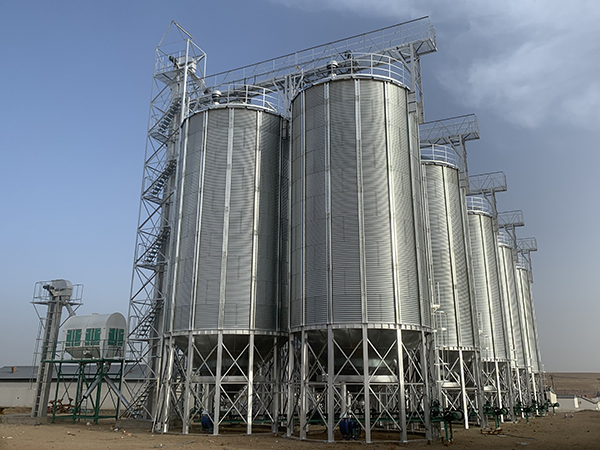
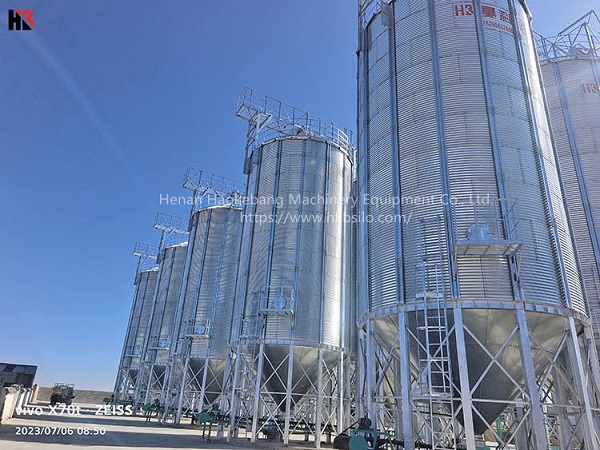
Anti-Corrosion Process and Control Measures for Flat-Bottom Steel Silo
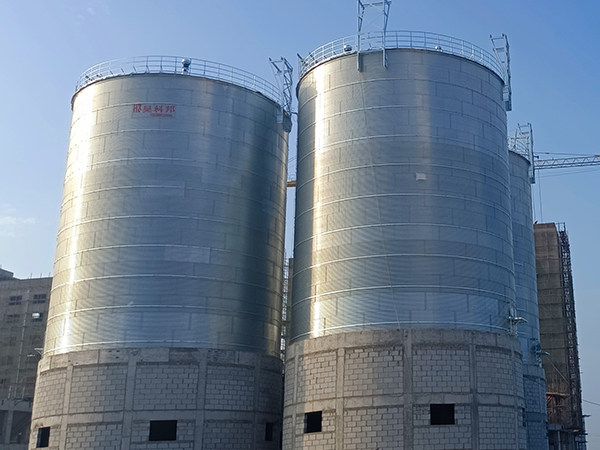
Flat-bottom steel silo are essential storage facilities, with steel being their primary material. However, corrosion of steel in the atmosphere is an unavoidable issue. By implementing scientific anti-corrosion measures, we can effectively prevent corrosion and extend the lifespan of steel silos. This article details the anti-corrosion process and control methods for flat-bottom steel silo.(What is a flat bottom steel silo)
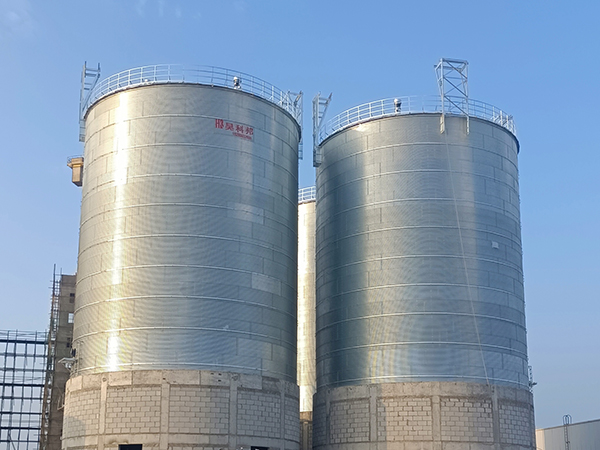
Rust Removal Process Requirements
Rust removal is a critical step in the anti-corrosion construction. First, thoroughly clean the base surface to ensure it is free of oil stains, grease, sand particles, or metal oxides. Use specialized equipment, such as grinding or sandblasting, to completely remove rust and impurities from the steel surface, achieving the required rust removal grade of Sa2.5.
After rust removal, the surface should show a metallic luster with no visible rust or paint residue. Within 6 hours of rust removal, apply the primer to prevent the steel from corroding again due to environmental changes. If the weather is humid, wait for the surface to dry before proceeding with the coating.
Cleaning Process Requirements
Cleaning is another crucial step in the anti-corrosion process. Use high-pressure cleaning equipment to ensure that the base surface is free of any contaminants, especially in corners, recesses, and hard-to-reach areas. For uneven or cracked sections of the foundation, reinforcement must be carried out to ensure the overall foundation is solid and level.
Additionally, maintain a clean construction environment, free from debris, dust, water, oil, or other contaminants. Always keep the construction area dry and hygienic to ensure the quality and durability of the anti-corrosion coating.
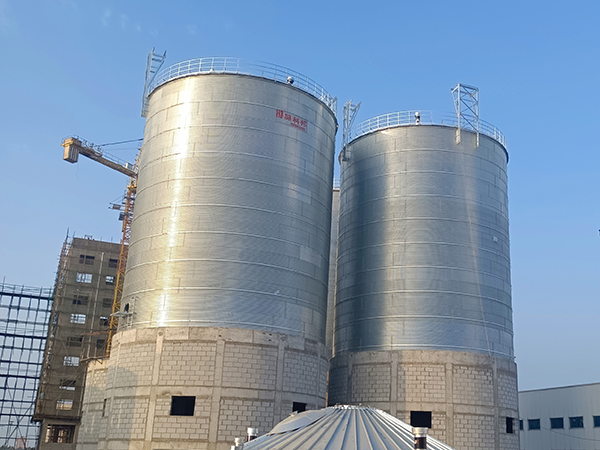
Anti-Corrosion Primer Coating Process
Before applying the anti-corrosion primer, ensure that the steel surface is free of rust, wet spots, and is clean and dry. Use high-pressure spraying equipment for the primer application, making sure that the material is evenly stirred to avoid sedimentation. The spraying process must be free from blockages and ensure uniform coverage without missing spots.
To ensure the adhesion and anti-corrosion effectiveness of the primer, avoid applying the primer in rainy conditions. Allow the primer to dry completely before proceeding with the next coating step.
Inspection of Fill Coating
During the anti-corrosion coating process, pay special attention to seams, corners, and other vulnerable areas of the steel. These weak points in the coating need to be thoroughly checked to ensure full coverage. Particular attention should be given to fans, pipes, roof pipes, and wall corners to ensure the integrity of the coating and avoid any weak points.
Anti-Corrosion Finish Coating Process
For the finish coating, ensure that the primer is completely dry before application. Use high-pressure spraying equipment to apply the finish coat, ensuring the coating thickness is uniform and meets design specifications. During the application process, prevent defects such as peeling, bubbling, delamination, or uneven coverage to ensure the stability of the anti-corrosion coating.
Maintenance Period and Upkeep
Once the anti-corrosion coating on the flat-bottom steel silo is completed, it enters the maintenance period. During this time, regularly inspect the coating for any damage or peeling. Promptly repair any minor damage to prevent the corrosion from spreading.
In addition, avoid using sharp objects that could scratch the coating and maintain a clean and dry surface to ensure the long-lasting effectiveness of the anti-corrosion protection.
Environmental Protection and Safety
Strictly adhere to environmental regulations during the anti-corrosion construction process to prevent the pollution of harmful substances such as paint from affecting the environment. Workers should wear appropriate protective equipment to avoid health risks caused by chemicals. Additionally, ensure proper ventilation in the construction area to maintain a safe working environment.
Continuous Improvement and Innovation
As technology advances, new materials and methods are constantly being developed. The anti-corrosion technology for flat-bottom steel silo is also evolving. It is important to stay updated on new anti-corrosion coatings and application techniques, continuously improving and optimizing the anti-corrosion process to enhance the lifespan and effectiveness of steel silos, ensuring safety in storage and operation.
Conclusion
By implementing a scientifically sound anti-corrosion process and strict construction management, we can effectively delay the corrosion of flat-bottom steel silo and extend their service life. Anti-corrosion construction is a technical and complex task. Only by strictly following every step of the process can we maximize the effectiveness of the anti-corrosion treatment.