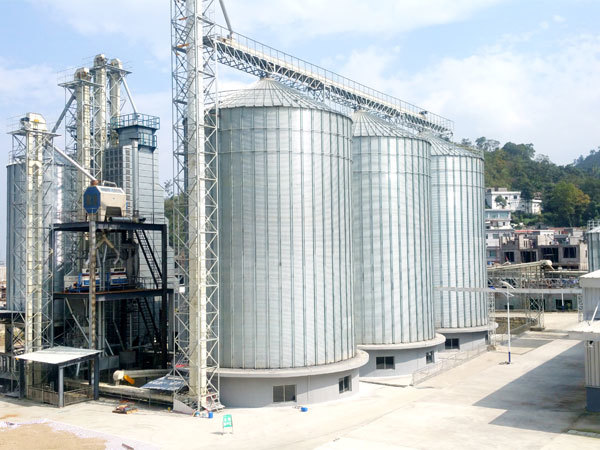
Wheat Steel Silo Price and Common Fault Handling Methods
Wheat Steel Silo Price Analysis
The price of wheat steel silos varies depending on capacity, material, and manufacturer. For example, a 500-ton wheat steel silo generally has a stable market price. This is mainly due to two reasons: first, only a few manufacturers possess the production technology for steel silos, leading to limited market competition, and thus less price fluctuation. Second, these devices are typically produced by large manufacturers with a standardized price system, resulting in relatively consistent prices. In general, the price increases with the capacity, allowing users to select the appropriate specifications according to their needs.

Common Faults and Optimization Methods for Wheat Steel Silo
1. Silo Tilt Issues
Silo tilt is a common fault in wheat steel silos. To prevent this, the following measures should be taken:
- Foundation Treatment: Preferably use a rigid foundation and base to improve the stability of the silo structure.
- Uniform Feeding: Ensure that wheat is evenly stacked to avoid shifting the center of gravity, which can lead to tilting.
- Optimizing the Discharge Method: It is recommended to use a single-point discharge system, as multi-point discharge, while reducing cleaning difficulty, increases the risk of uneven loading due to human error or equipment failure, which can lead to tilting.
- Emergency Discharge System: If a foundation that allows settlement is used, an emergency discharge channel should be installed to address any potential uneven loading. For rigid foundations, a multi-point, multi-channel discharge system can be employed, but it must include cleaning channels for maintenance.
2. Discharge Difficulty
Discharge difficulty in wheat steel silo is primarily influenced by structural design, air circulation, and the foundation environment. The following optimization methods can help:
- Optimize Waterproof Structure: Design an effective waterproof layer and ensure proper foundation treatment to reduce the impact of groundwater on the silo.
- Air System Control: The air used in the conveying system must be thoroughly dried, and the silo wall’s airtightness must be well-controlled to prevent moisture from affecting the discharge.
- Install Backup Discharge Systems: In case the discharge port fails, sealing valves should be installed to allow for maintenance or replacement. Additionally, an emergency discharge passage should be provided. This ensures timely clearing of accumulated material and avoids blockages caused by material caking.

Conclusion
Optimizing the design of wheat steel silo is crucial, as it not only affects storage safety but also impacts discharge efficiency. When purchasing steel silos, users should pay attention to factors such as silo structure, discharge systems, and waterproof design. These considerations help ensure that the equipment operates stably over time. Additionally, regular inspections should be conducted to address potential faults and avoid issues like silo tilt or discharge difficulties.