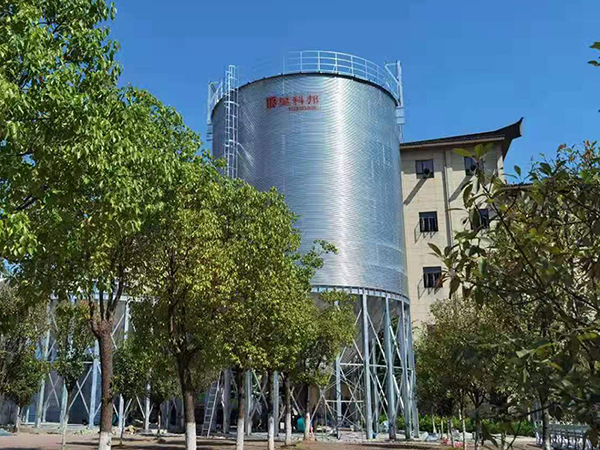
How to Control Insects in Stored Grain: A Practical Guide from COBAN Grain Silo Experts
For many grain producers, traders, feed mills, and storage facility operators, insects are one of the most costly hidden threats during grain storage.
A small insect population can multiply rapidly inside a grain silo, leading to:
- Grain weight loss
- Quality deterioration
- Hot spots inside the grain mass
- Mold development
- Reduced market value
- Increased risk of spoilage
Many operators focus on eliminating insects after they appear. However, experienced grain storage professionals know that successful insect control begins long before an infestation becomes visible.
At COBAN, after years of working with grain silo projects across Africa, Asia, and other agricultural regions, we have learned a simple truth:
The most effective insect control strategy is prevention, not treatment.
This article explains how insects develop in stored grain and how modern grain silo systems can dramatically reduce infestation risks.
Why Insects Become a Serious Problem in Grain Storage
Stored grain insects thrive when three conditions exist:
1. Warm Temperatures
Most storage insects reproduce rapidly between 25°C and 35°C.
Under favorable conditions, insect populations can double within weeks.
2. High Grain Moisture
Moist grain creates ideal conditions for:
- Insect activity
- Mold growth
- Grain respiration
- Biological deterioration
Even a small increase in moisture can accelerate infestation.
3. Poor Ventilation
Without proper airflow, heat and moisture accumulate inside the grain mass.
This creates localized environments where insects can survive and multiply undetected.
Many operators mistakenly believe insects enter from outside sources.
In reality, insect eggs are often already present in harvested grain and simply develop when storage conditions become favorable.
The Biggest Mistake: Relying Only on Chemicals
When insects appear, many facilities immediately turn to fumigation or insecticides.
While chemical treatments can be effective, they should never be the primary storage strategy.
Why?
Because chemicals address the symptom rather than the cause.
If moisture, temperature, and ventilation problems remain unresolved, insects often return after treatment.
Repeated fumigation can also increase:
- Operating costs
- Resistance development
- Safety concerns
- Grain handling complexity
The most successful grain storage facilities focus first on environmental control.

Start with Proper Grain Drying
One of the most effective insect control measures happens before grain enters the silo.
Grain should always be dried to safe storage moisture levels.
Typical recommendations include:
| Grain Type | Safe Storage Moisture |
|---|---|
| Maize | 13–14% |
| Wheat | 12–13% |
| Soybeans | 11–13% |
| Rice | 13–14% |
When grain enters storage too wet, insect activity increases significantly.
This is why many successful storage projects combine:
- Grain dryers
- Grain silos
- Aeration systems
- Temperature monitoring systems
Drying is often the first step in long-term insect prevention.
Maintain Low Grain Temperatures
Temperature management is one of the most powerful tools available.
Research and field experience consistently show that insect activity decreases dramatically as grain temperatures fall.
Lower temperatures:
- Slow insect reproduction
- Reduce grain respiration
- Minimize moisture migration
- Improve storage stability
Modern grain silos are designed to support temperature control through proper aeration systems.
In many regions, simply cooling grain can reduce insect pressure without additional chemical intervention.
Use an Effective Aeration System
A quality aeration system does much more than move air.
It helps maintain uniform conditions throughout the grain mass.
Benefits include:
- Heat removal
- Moisture equalization
- Reduced condensation
- Lower insect activity
- Improved grain quality
Without aeration, temperature differences inside the silo can create “hot spots.”
These areas often become breeding grounds for insects and mold.
At COBAN, aeration systems are integrated into silo design to help maintain long-term grain stability.
Monitor Grain Temperature Continuously
One challenge in grain storage is that insect infestations often begin long before visible damage appears.
By the time insects are seen near the surface, significant activity may already exist deeper inside the grain.
This is why temperature monitoring is critical.
A modern temperature monitoring system can detect:
- Unusual temperature increases
- Developing hot spots
- Moisture migration zones
- Early signs of biological activity
Early detection allows operators to respond before a minor issue becomes a major infestation.
For large commercial grain silos, temperature monitoring is no longer a luxury—it is an essential management tool.
Keep the Silo Clean Before Filling
Many infestations begin because old grain residues remain inside storage facilities.
Before loading new grain:
- Remove leftover grain deposits.
- Clean floors and walls.
- Inspect conveyors and elevators.
- Remove dust accumulations.
- Clean unloading equipment.
Even small amounts of old grain can harbor insects that quickly spread into newly stored grain.
Good sanitation remains one of the simplest and most cost-effective insect control measures.
Seal Entry Points Against External Pests
A grain silo should protect grain from more than just weather.
Openings around:
- Roof access points
- Inspection doors
- Ventilation openings
- Conveyor connections
can allow insects, birds, and rodents to enter storage facilities.
Proper silo construction helps minimize these risks.
High-quality galvanized steel silos with well-designed sealing systems provide significantly better protection than traditional storage structures.
Regular Inspection Is Still Essential
Even with modern storage technology, routine inspections remain important.
Operators should regularly check for:
- Insect activity
- Unusual odors
- Grain crusting
- Moisture accumulation
- Temperature changes
Storage management should be viewed as an ongoing process rather than a one-time activity.
The earlier a problem is identified, the easier and less expensive it is to solve.
How Modern Grain Silos Help Reduce Insect Problems
Many people think of a grain silo as simply a storage container.
In reality, a modern commercial silo is an integrated grain preservation system.
When properly designed, a grain silo works together with:
- Drying systems
- Aeration systems
- Temperature monitoring systems
- Conveying equipment
- Grain cleaning systems
to create conditions that are unfavorable for insect development.
This approach reduces dependence on chemical treatments and improves long-term grain quality.
Why More Grain Storage Projects Choose COBAN Grain Silos
At COBAN, we believe effective insect control begins with proper storage design.
With more than ten years of experience in grain handling and storage equipment manufacturing, we help customers build complete grain preservation systems rather than simply supplying storage bins.
Our solutions include:
- Grain silos
- Aeration systems
- Temperature monitoring systems
- Grain dryers
- Bucket elevators
- Chain conveyors
- Grain cleaning equipment
As both a manufacturer and supplier, COBAN provides practical, cost-effective solutions tailored to local storage conditions and crop requirements.
Our goal is not only to store grain but to help customers protect grain quality, reduce losses, and maximize the value of every harvest.
Final Thoughts
Controlling insects in stored grain is not about finding a stronger pesticide.
It is about creating storage conditions where insects cannot thrive.
The most effective strategy combines:
- Proper grain drying
- Moisture control
- Temperature management
- Aeration
- Continuous monitoring
- Good sanitation practices
- Well-designed grain silos
When these factors work together, insect pressure can be reduced significantly, storage losses can be minimized, and grain quality can be preserved for months or even years.
For grain producers and commercial storage operators, investing in a complete grain management system is often far more effective—and far more profitable—than relying solely on chemical treatments after problems appear.
FAQ
What causes insects in stored grain?
Insects typically develop when grain is stored with excessive moisture, warm temperatures, and poor ventilation.
Can aeration reduce insect infestations?
Yes. Proper aeration lowers grain temperature and creates conditions that are less favorable for insect reproduction.
Do grain silos prevent insects completely?
No storage system can guarantee zero insects, but a well-designed silo with aeration and temperature monitoring can significantly reduce infestation risks.
Is fumigation always necessary?
Not always. Many insect problems can be minimized through moisture control, cooling, sanitation, and proper storage management.
What is the best way to protect maize from insects during storage?
Dry maize to 13–14% moisture, maintain proper aeration, monitor grain temperature, and store it in a well-designed grain silo system.