For a deeper strategic look at these systems, read about the role of flour silo and its importance in the modern supply chain.
Introduction to flour silo
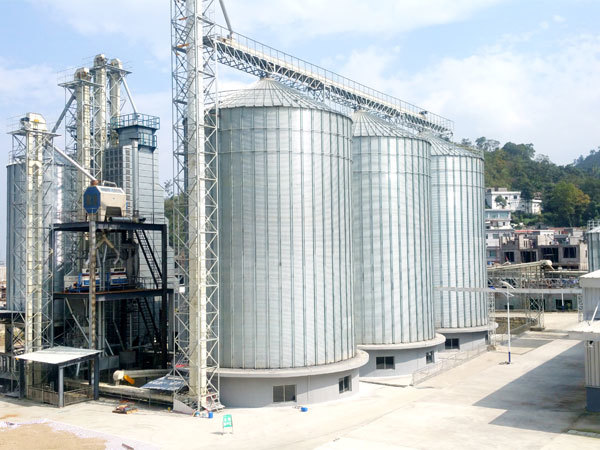
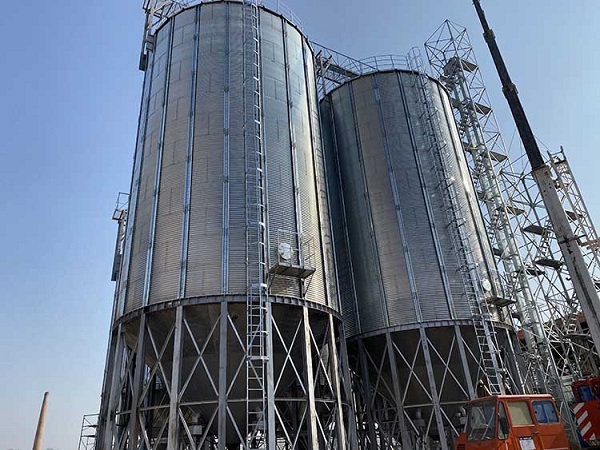
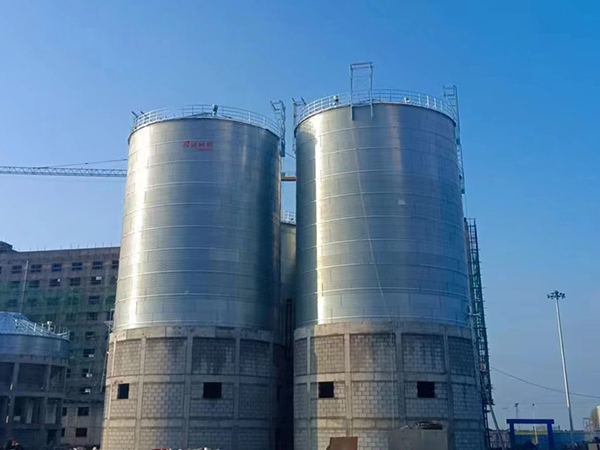
Flour silo are key storage facilities in flour processing, storage and distribution, dedicated to the safe storage of bulk or bagged flour. Its core functions include: moisture and insect prevention (through sealing structure and inert gas filling technology), constant temperature control (equipped with temperature control system to maintain a suitable temperature of 15-25℃), precise measurement (using weighing module to realize dynamic inventory monitoring), and supporting dust removal, explosion-proof and automatic feeding and discharging systems to ensure stable flour quality and efficient operation of the supply chain.

Three core advantages of flour silo
High space utilization
The vertical structure saves more than 60% of the floor space compared to the flat warehouse, which is particularly suitable for the scene with limited factory space;
Outstanding quality preservation effect
The shelf life of flour can be extended to 12 months through nitrogen inerting technology, far exceeding the 6-month period of traditional bag storage;
High degree of automation
When equipped with a pneumatic conveying system, the operation handles 80–100 tons of flour per hour for unmanned warehouse entry and exit. These efficiencies are among the many main advantages of flour silo that help bakeries and mills scale their operations.
Structural decomposition of flour silo
A typical flour silos consists of five modules:
Bunker: The main body is a cylindrical structure with a wall thickness of usually 6-12mm;
Conical unloading hopper: The bottom 55-60° tilted design ensures that the flour slides naturally;
Ventilation system: The top annular air distribution duct is equipped with an axial flow fan;
Detection device: Including material level sensor, moisture detector, etc.;
Safety components: explosion-proof valve, static eliminator and other protective facilities.
You can find a complete technical breakdown in our guide on structural components of flour silo.

Workflow of flour silo
Entry stage
The bucket elevator sends the flour to the distributor on top of the silos, and the rotating distributor evenly spreads it. To ensure these stages work perfectly from day one, a professional installation process of flour silo is required.
Storage stage
the temperature in the silo is maintained at 18-22℃, and the relative humidity is ≤65%;
Exit stage
the bottom screw conveyor outputs at a speed of 5-8 tons/hour, and cooperates with the vibration arch breaking device to prevent compaction.
Precautions for storing flour in steel silo
Pretreatment requirements
Operators need to cool the new flour to room temperature before it enters the silos to avoid condensation.
Cleaning specifications
Operators should use food-grade vacuum cleaners to remove residual powder after emptying each batch.
Pest control
food-grade diatomaceous earth is used to treat the joints of the silo wall every month; Maintaining these conditions is part of the main functions of a flour silo designed for long-term food safety.
Safety inspection
Regularly check the sealing of the silo welding seams, especially before and after the rainy season;
Emergency measures
The system uses a CO₂ fire extinguishing setup and strictly prohibits the use of water-based fire extinguishing equipment.
Conclusion
With the development of intelligent sensing technology, modern flour silos are upgrading towards the direction of Internet of Things. Reasonable use of these storage equipment can significantly reduce the grain loss rate and create greater economic benefits for flour processing companies. View our full catalog and specifications on the flour silo product overview page.
Deepen Your Industry Knowledge
Explore our specialized guides to master flour storage management:
Strategic Overview: The Role and Importance of Flour Silos
Technical Guide: Core Structural Components Explained
Project Execution: Step-by-Step Installation Process
Business Value: Main Advantages for Large-Scale Production
Operation Details: Main Functions and Quality Control Maintenance