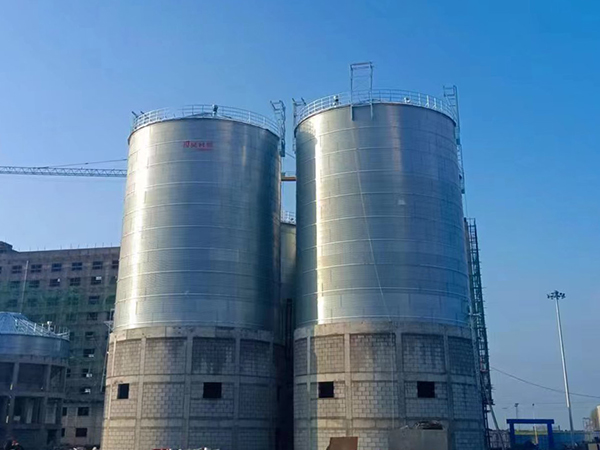
What is a corn silo?
A corn silo is a closed container dedicated to storing dry corn, which is widely used in farms, grain depots and feed processing plants. Common corn silos are usually made of galvanized steel plates, stainless steel or fiberglass, with good sealing, moisture-proof, rodent-proof and ventilation properties. Through scientific storage methods, corn silos can effectively reduce the problems of corn mildew, pests and nutrient loss, and are important facilities for modern agriculture to achieve efficient grain storage.
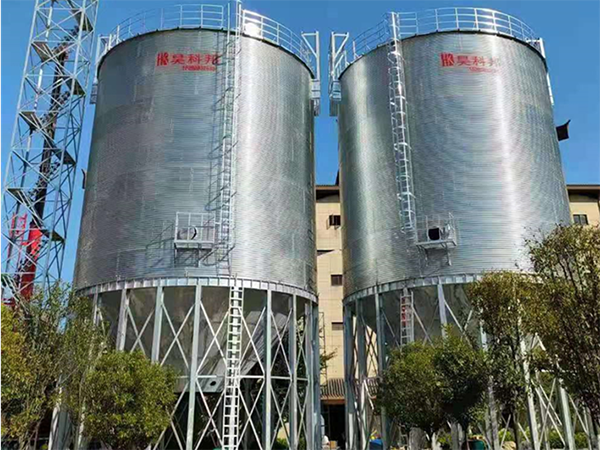
How long is the storage period of corn in a silo?
Under ideal conditions, corn can be stored in a corn silos for 6 months to 2 years. The main factors affecting the specific storage time include:
Initial moisture content of corn
Temperature and humidity of storage environment
Ventilation and sealing performance of silo
Whether to use gas conditioning or temperature control system
When the moisture content of corn entering the warehouse is strictly controlled within the range of 13%-14%, combined with a constant temperature environment below 15°C and a relative humidity of about 65%, it has been verified in practice that the grain quality can be ensured to be stable during the storage period of 1-2 years. This storage solution has been successfully applied in many major production areas in China.
Key factors affecting the storage time of corn silo
Dryness of corn
Dryness is the primary factor that determines the storage time of corn. Corn with high moisture content is more prone to mildew, insect infestation and fever, so it must be dried to a safe moisture range (<14%) in time after harvest before entering the corn silos for storage.
Silo sealing and ventilation system
The airtightness of corn silo is a key indicator to ensure the safety of grain storage. High-quality silos should have a complete sealing structure that can effectively isolate the invasion of external air, water vapor and pests. In terms of ventilation system design, a scientific airflow organization scheme should be adopted to prevent condensation or heat accumulation in the warehouse through temperature and humidity control functions. It is recommended to implement periodic ventilation management to maintain uniform airflow distribution in the warehouse and eliminate local temperature and humidity abnormal areas.
Control of ambient temperature and humidity
In the southern and tropical climate zones, the disturbance of ambient temperature and humidity to the microclimate of the silo is particularly significant. It is recommended to configure real-time temperature and humidity monitoring devices in such areas and establish a temperature control and dehumidification linkage mechanism. By actively controlling the environmental parameters in the warehouse, the deterioration process of grain can be effectively suppressed and the storage stability of corn can be significantly improved.
Pest and fungus control
Even dry corn may be attacked by pests or contaminated by fungi during storage. It is recommended to clean and kill insects before entering the warehouse, and regularly check the insect situation in the warehouse during storage. If necessary, use safe and environmentally friendly fumigation or ventilation treatment technology.
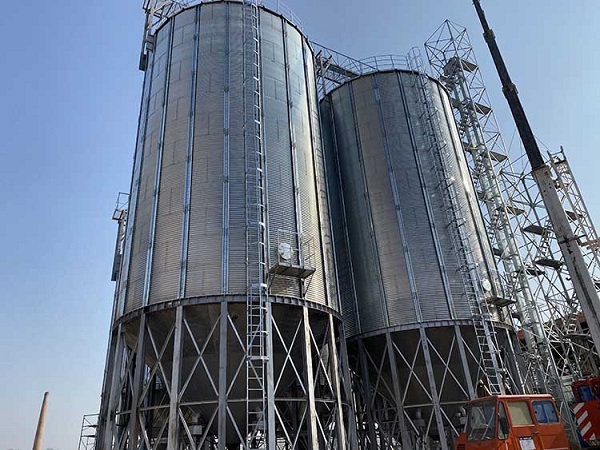
Recommended storage schedule for corn silo
Depending on the storage conditions, the following is the recommended safe storage period for corn in silos:
| Storage Conditions | Recommended Storage Time |
|---|---|
| Moisture ≤13%, Temp ≤15°C, Good ventilation | 18–24 months |
| Moisture ≤14.5%, Temp ≤20°C, Basic ventilation | 6–12 months |
| Moisture >15%, No climate control | Max 3 months |
| Proper drying, No temperature/humidity control | 6–9 months |
If it can be combined with modern intelligent control systems, such as Internet of Things temperature and humidity monitoring, automatic ventilation start and stop control and other technologies, the storage time of corn in silos may be further improved.
How to extend the storage time of corn silo?
In order to maximize the storage period of corn in corn silo, the following management measures are recommended:
Dry to 13%-13.5% moisture immediately after harvest;
Check silo sealing and structural integrity regularly;
Install temperature and humidity monitoring equipment, and record and analyze data regularly;
Avoid frequent opening and closing of silos to reduce the entry of outside air and moisture;
Perform insect detection and ventilation adjustment operations once a quarter.
In addition, for corn batches planned for long-term storage, closed atmosphere silos can be selected, combined with low oxygen or nitrogen filling technology, to effectively inhibit the growth of insect pests and mold, and extend the storage period to more than two years.
Conclusion
As a modern grain storage facility, corn silos can achieve 12-24 months of safe storage under scientific management conditions. Its actual storage period needs to be dynamically adjusted in combination with regional climate characteristics, silo sealing performance and daily management level. Standardized silo operations can not only maintain corn quality indicators, but also significantly improve storage efficiency and control grain loss rate within industry standards.