Grain silos ensure the transportation and storage process from the field to the market. Especially for companies engaged in bulk grain trade, choosing an efficient and safe grain silo is the key to improving competitiveness. This article will provide an in-depth analysis of how grain silos work, their types, and how they impact supply chain management in the agricultural industry.

Definition and function of grain silo
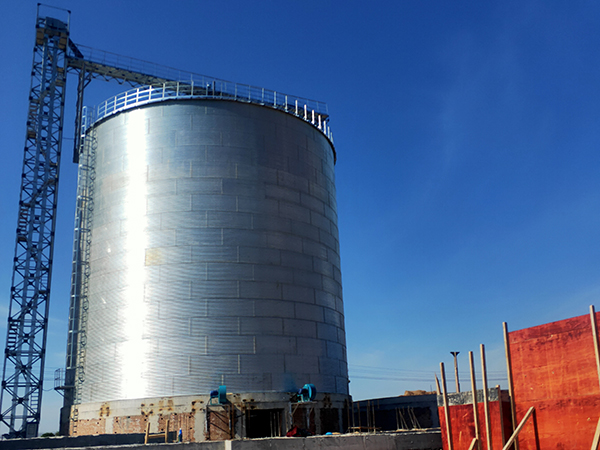
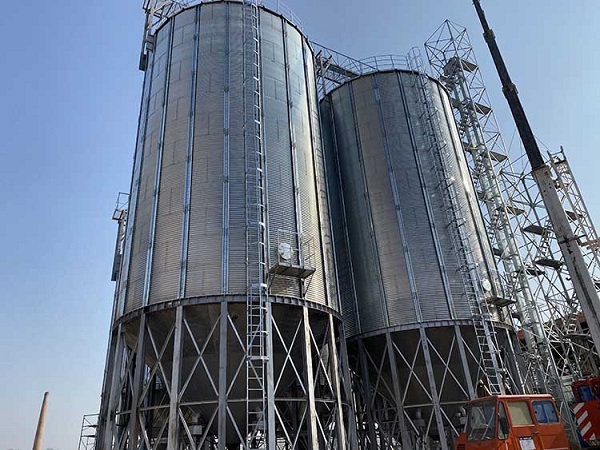
Grain silo, as the name suggests, are warehouses used to store grain. They are typically tall cylindrical, equipped with advanced mechanical equipment to assist in the handling and storage of grain. The main function of grain silos is to store crops for long periods, preventing grain from moisture,, and ensuring it remains in good quality during transportation or processing. In addition to grain, modern grain silos can also be used to store other agricultural products, and even bulk materials as coal. For agricultural producers, grain silos are not only storage facilities but also key equipment to enhance production efficiency and management levels.
In agricultural production, the role of silos is not to be underestimated. It provides farmers and production enterprises with a safe and convenient storage method, especially during the harvest season, when the yield of crops may exceed consumption demand in the short term. By storing grain in grain silos, the problem of grain that cannot be digested in the short term can be effectively solved, ensuring that agricultural are stored under optimal conditions.
Types of grain silo
Although most people’s impression of grain silos may still be limited to traditional tower sil, the reality is that modern grain silos come in a wide variety of designs and types. Depending on the design structure, function, and material, grain silos can generally be into the following types:
Tower silo
Tower silos are the most common type of grain storage facility and are usually in the shape of a towering cylinder. This design can make full use of vertical space and store food at high places, thereby reducing the floor space. Tower silos are generally constructed of steel or concrete and have a solid structure that can effectively protect the internal grain from the outside environment.
Horizontal silo
Horizontal silos are an innovative design based on traditional tower silos, suitable for areas with land but a high demand for storage space. These silos offer large storage capacity, usually arranged horizontally. The construction of horizontal silos is relatively straightforward and ideal for storing nonperishable items, such as certain industrial raw materials.
Other types
In addition to tower and horizontal silos, grain silos can also be customized to specific needs. For instance, some silos can be equipped with temperature and humidity control systems to ensure a stable storage environment, making them suitable for materials with high storage requirements., modern grain silos can incorporate automated control systems, reducing manual labor and improving work efficiency.

Overview of the workflow of grain silo
Grain receiving
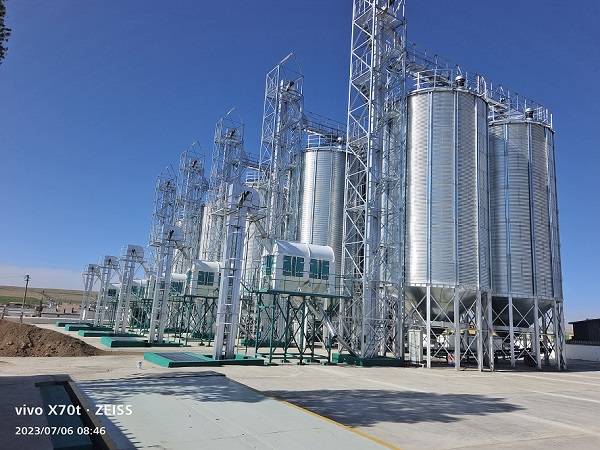
Grain is transported to the site by transport vehicles, dumped into the warehouse through the unloading port, and then conveyed horizontally and vertically by scraper chain conveyors and bucket elevators, achieving rapid and continuous loading into the warehouse.
Clean separation
Grains enter the cleaning machine, where they are filtered through a screen and then removed by a dust suction device to eliminate dust, broken particles and impurities, ensuring the quality for subsequent storage.
Transition of buffer silo
The cleaned grains are temporarily stored in the buffer silo to avoid conveying fluctuations, maintain the continuous and stable process of entering the silo, and improve efficiency.
Drying treatment
Grains enter the dryer for dehydration, which can be carried out by tower type, intermittent type or mobile type, and the moisture content is controlled through a moisture monitoring system to reduce the risk of deterioration.
Final filtration
The dried grains are filtered again to ensure that impurities are minimized and to prepare for long-term storage.
Storage and Management
Grain enters concrete or steel silos and is equipped with ventilation systems based on capacity to maintain uniform temperature, prevent condensation and mold growth. Real-time management is carried out through the temperature, moisture and grain level monitoring system.
Outbound loading
When leaving the warehouse, rely on the conveying equipment and conduct weighing to ensure accurate shipment. At the same time, pay attention to dust explosion prevention and structural safety.
Advantages of grain silo
The design of grain silos not only focuses on storage safety but also into account production efficiency and ease of operation. Storing agricultural products in grain silos can bring about the following obvious advantages:
Efficient storage
G silos can efficiently store a large amount of agricultural products, occupying a relatively small land area. It effectively expands storage capacity by utilizing vertical space, avoiding the waste of land resources. a precise conveying system, grains can be quickly and safely transported in and out, improving the efficiency of storage and transportation.
Environmental protection
Today’s grain silos will have temperature and humidity monitoring and ventilation equipment to prevent grain from being damaged due to moisture or mildew during storage. The quality of grain stored for a long time can also be maintained better, reducing waste.
Cost control
Compared with traditional storage methods grain silos can effectively reduce storage costs. The automated operation process reduces labor input, making it simple and reliable to operate. In addition, grain silos adopt a closed structure, preventing external pollution and reducing grain loss.
Kebang’s grain silo solution
As a leading grain silo provider in the industry, Kebang is committed to providing high-quality grain silos and related services to global customers. Whether you are an agricultural producer or a company engaged in agricultural product trade, we can provide you the appropriate storage facilities according to your needs. Kebang’s grain silos are characterized by durability, ease of operation, and safety, which can provide strong support for your and storage.
Conclusion
In modern agricultural production, grain silos are not only a simple storage tool, they are important equipment to ensure grain quality and improve production efficiency. By understanding the working principles and types of grain silos, agricultural producers can make choices that are more in line with actual needs and ensure long-term storage of grain. Kebang as a professional grain silo manufacturer, provides a full range of technical support and efficient solutions to help your agricultural production to the next level. Contact us now to get the latest product quotations and technical consultation.
Website: https://www.cobansilo.com/
Mobile: +8615801054617
Email: william@cobansilo.com