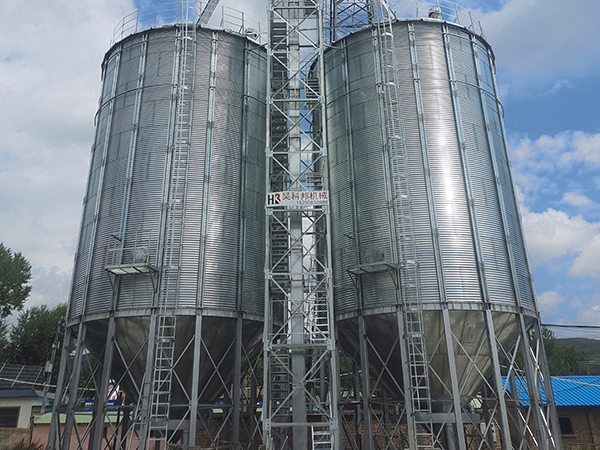
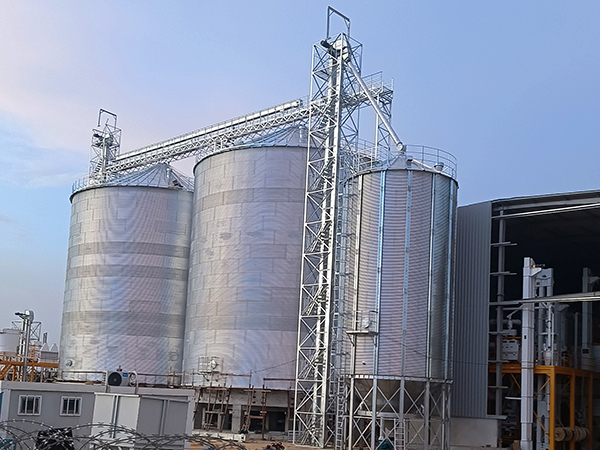
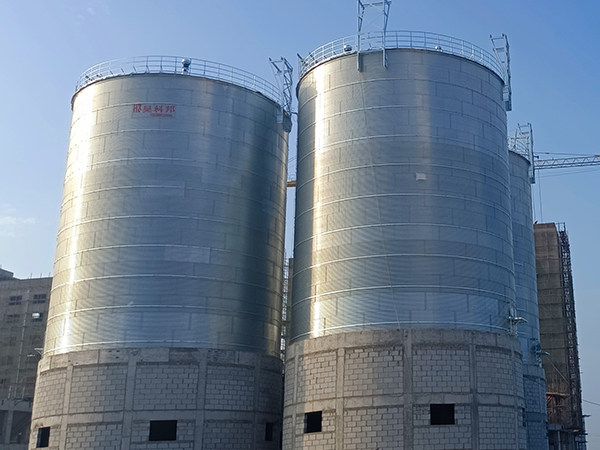
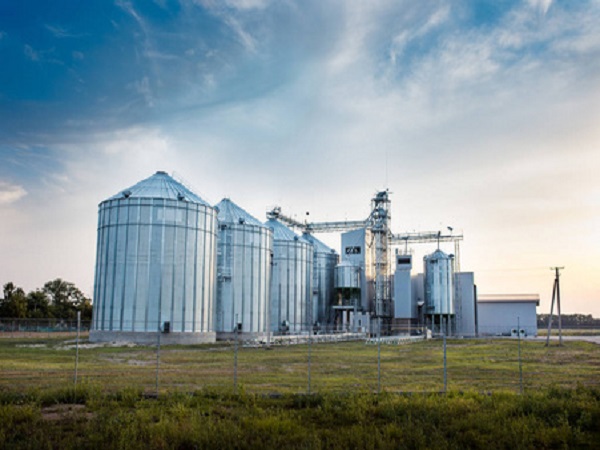
Modern grain storage is no longer only about steel silos and aeration fans. For commercial farms, feed mills, grain terminals, and rice processing plants, the real challenge is maintaining grain quality during long-term storage. Even a small temperature increase inside the silo can lead to mold growth, insect activity, condensation, grain caking, and serious economic losses.
This is why the COBAN Grain Silo Temperature Monitoring System has become an essential solution for modern grain storage projects. Whether storing corn, wheat, rice, soybean, or animal feed raw materials, a professional silo temperature monitoring system helps operators detect hidden risks early and maintain safe storage conditions throughout the year.
Why Temperature Monitoring Is Critical in Grain Silos
Stored grain is still biologically active after harvest. Moisture migration, grain respiration, ambient weather changes, and microbial activity continuously affect storage stability.
Research in tropical and humid regions shows:
- Grain temperature above 30°C (86°F) significantly increases mold risk
- Moisture content above 14% accelerates fungal development
- Insect breeding activity rapidly increases between 28°C–35°C
- Localized “hot spots” can spread through an entire silo within days
Without monitoring equipment, operators often cannot detect internal spoilage until grain quality has already deteriorated.
Common storage problems caused by poor temperature control include:
| Problem | Result |
|---|---|
| Hot spots inside silo | Mold growth and grain spoilage |
| Uneven moisture migration | Grain caking and condensation |
| Insect infestation | Weight loss and contamination |
| Overheating grain | Reduced feed or milling quality |
| Long-term undetected spoilage | Financial losses and rejected cargo |
For large grain silos storing thousands of tons, even a 1% grain loss can represent a major financial impact.

What Is the COBAN Grain Silo Temperature Monitoring System?
The COBAN Temperature Monitoring System is an intelligent grain storage safety solution designed for steel silos, hopper silos, flat-bottom silos, feed storage bins, and grain warehouses.
The system continuously measures grain temperature at multiple points inside the silo using high-precision sensors connected through temperature cables.
Core system components include:
1. Temperature Sensor Cables
Special heavy-duty sensor cables are vertically suspended inside the grain silo.
Each cable contains multiple digital temperature sensors positioned at fixed intervals, typically:
- Every 1.5 meters
- Every 2 meters
- Or customized according to silo height
These sensors continuously detect temperature changes throughout the grain bulk.
2. Data Acquisition Controller
The controller collects all sensor data and transmits information to the central monitoring software.
Functions include:
- Real-time temperature collection
- Alarm threshold settings
- Historical data storage
- Multi-silo management
- Fan control linkage
3. Monitoring Software
The monitoring platform displays:
- Real-time silo temperature maps
- Sensor location data
- Temperature trend curves
- Hot spot warnings
- Aeration management recommendations
Operators can monitor storage conditions from:
- Local control room
- Computer
- Mobile device
- Remote cloud platform
How COBAN Temperature Monitoring System Is Installed
Proper installation directly affects monitoring accuracy and long-term reliability.
COBAN designs the sensor arrangement according to:
- Silo diameter
- Silo height
- Grain type
- Storage capacity
- Local climate conditions
Step 1: Determine Sensor Cable Quantity
The number of cables depends on silo diameter.
Typical configuration example:
| Silo Diameter | Recommended Cable Quantity |
|---|---|
| 6m | 1–2 cables |
| 10m | 3–4 cables |
| 15m | 6–8 cables |
| 20m | 10–12 cables |
| 30m+ | Customized design |
Larger silos require more monitoring points to avoid blind zones.
Step 2: Install Roof Support Structure
Before filling grain, the sensor cables are fixed to the silo roof support beams.
Installation requirements:
- Vertical alignment
- Stable suspension
- Proper cable tension
- Corrosion-resistant mounting
COBAN uses reinforced mounting systems to prevent cable displacement during loading and unloading.
Step 3: Position Temperature Sensor Cables
The sensor cables extend from the roof down toward the silo floor.
Key installation principles:
- Uniform distribution
- Coverage of center and edge zones
- Avoid interference with unloading systems
- Maintain sensor straightness
For flat-bottom silos, cable positioning is especially important because airflow and grain pressure vary significantly across different areas.
Step 4: Connect Controller and Software
All sensor cables connect to the central control cabinet.
The system is then configured for:
- Sensor identification
- Silo grouping
- Alarm temperature settings
- Data recording intervals
- Aeration linkage logic
Most commercial grain projects use monitoring intervals between:
- Every 5 minutes
- Every 15 minutes
- Every 30 minutes
depending on storage conditions.
How the Temperature Monitoring System Works
The system operates continuously after grain loading.
Temperature sensors measure grain conditions in real time. If localized heating occurs, the software immediately identifies abnormal temperature increases.
For example:
| Storage Condition | Temperature Change |
|---|---|
| Normal stable grain | ±1°C fluctuation |
| Early moisture migration | +2°C to +4°C |
| Insect activity | +5°C to +8°C |
| Severe spoilage | Above 40°C |
When abnormal temperatures are detected, operators can:
- Start aeration fans
- Rotate grain
- Inspect moisture content
- Remove damaged grain areas
- Prevent large-scale spoilage
This early-warning capability is one of the biggest advantages of intelligent grain storage systems.
Importance of Temperature Monitoring in Tropical Countries
In Southeast Asia, Africa, and South America, high humidity and high ambient temperatures create extremely challenging storage environments.
Countries such as:
- Indonesia
- Philippines
- Nigeria
- Kenya
- Uganda
- Vietnam
- Pakistan
often experience:
- Ambient temperatures above 35°C
- Relative humidity above 75%
- Seasonal rainfall
- Rapid fungal development
In these climates, traditional manual inspection methods are no longer sufficient for large grain storage facilities.
The COBAN silo temperature monitoring system helps reduce:
- Grain deterioration
- Feed contamination
- Post-harvest losses
- Warehouse management risks
while improving overall storage efficiency.
Integration with Aeration Systems
One major advantage of COBAN intelligent silo systems is the integration between:
- Temperature monitoring
- Aeration systems
- Grain drying systems
- Smart automation controls
When the system detects temperature increases, aeration fans can automatically activate to cool the grain mass.
This automation provides several benefits:
| Benefit | Impact |
|---|---|
| Faster cooling | Reduced spoilage risk |
| Lower labor requirement | Easier management |
| Energy optimization | Reduced electricity cost |
| Better grain quality | Higher market value |
For large commercial grain silos, automation greatly improves operational efficiency.
Typical Applications of COBAN Temperature Monitoring System
The system is widely used in:
Grain Storage Silos
For wheat, corn, soybean, barley, and paddy rice storage.
Feed Mills
Monitoring raw material silos for poultry feed, fish feed, and livestock feed production lines.
Rice Mills
Maintaining paddy quality before processing.
Flour Mills
Preventing wheat overheating and insect development.
Port Grain Terminals
Managing long-term bulk grain storage before export.
Advantages of COBAN Silo Temperature Monitoring System
High Monitoring Accuracy
Digital sensors provide stable and accurate readings with minimal deviation.
Typical accuracy:
- ±0.5°C
Long Service Life
Industrial-grade sensor cables are designed for:
- Heavy grain pressure
- Corrosion resistance
- High humidity environments
- Long-term continuous operation
Expected service life can exceed:
- 10–15 years
with proper maintenance.
Real-Time Alarm Function
Operators receive warnings immediately when temperatures exceed preset thresholds.
Alarm methods include:
- Screen alerts
- Sound alarms
- SMS notifications
- Remote monitoring alerts
Intelligent Data Analysis
Historical temperature trends help operators optimize:
- Aeration timing
- Grain rotation schedules
- Drying management
- Storage planning
Best Practices for Using a Grain Temperature Monitoring System
To achieve the best storage performance, operators should follow these recommendations:
Maintain Proper Grain Moisture
Recommended safe storage moisture:
| Grain Type | Safe Moisture Content |
|---|---|
| Corn | 13–14% |
| Wheat | 12–13% |
| Soybean | 11–12% |
| Paddy Rice | 13–14% |
Regularly Inspect Sensor Data
Daily monitoring is recommended during:
- Rainy seasons
- High humidity periods
- Newly filled silos
Combine Monitoring with Aeration
Temperature monitoring alone is not enough.
The best storage performance comes from combining:
- Monitoring systems
- Aeration systems
- Proper drying equipment
- Good silo management
Why More Grain Storage Projects Choose COBAN
As global grain demand continues to grow, storage safety has become a critical part of agricultural infrastructure investment.
COBAN provides complete grain storage engineering solutions including:
- Grain silos
- Hopper silos
- Grain dryers
- Conveying systems
- Aeration systems
- Temperature monitoring systems
- Intelligent automation systems
For large-scale grain storage projects, the combination of steel silo engineering and intelligent temperature monitoring greatly improves operational reliability and grain preservation performance.
COBAN can also customize temperature monitoring layouts according to:
- Silo size
- Climate conditions
- Grain type
- Storage duration
- Project budget
Conclusion
A modern grain silo is not just a storage container. It is an intelligent grain preservation system.
Without accurate temperature monitoring, grain operators face serious risks including spoilage, insect infestation, moisture migration, and major economic losses.
The COBAN Grain Silo Temperature Monitoring System provides:
- Real-time temperature monitoring
- Early hot spot detection
- Intelligent grain management
- Automated storage safety
- Long-term grain quality protection
For commercial grain storage facilities, feed mills, rice mills, and agricultural processing plants, installing a professional silo temperature monitoring system is no longer optional — it is a key requirement for efficient and safe grain storage management.