Introduction
Grain storage systems are long-term infrastructure assets. However, many older silos face issues such as corrosion, poor aeration, low automation, and structural fatigue. Instead of building new silos from scratch, retrofit and upgrade projects provide a cost-effective way to extend lifespan and improve performance.
This guide offers practical, field-tested retrofit solutions for grain silos, helping you:
- Increase storage capacity
- Reduce grain spoilage
- Improve safety and compliance
- Lower operational costs
- Integrate automation and smart monitoring
1. Why Upgrade Your Grain Silo?
Common Problems in Old Silos
| Problem | Impact | Risk Level |
|---|---|---|
| Corrosion of steel panels | Structural weakening | High |
| Poor aeration system | Mold & grain spoilage | High |
| Outdated unloading system | Slow discharge | Medium |
| Lack of monitoring | No temperature/moisture control | High |
| Roof leakage | Water ingress | High |
| Insufficient capacity | Limits business growth | Medium |
2. Retrofit vs New Construction: Cost Comparison
| Option | Investment | Time | ROI | Recommended For |
|---|---|---|---|---|
| New Silo Construction | $$$$ | 3–6 months | Long-term | Large expansion |
| Silo Retrofit | $$ | 2–6 weeks | Fast | Existing system optimization |
Conclusion:
For most feed mills, grain traders, and farms, retrofit delivers faster ROI with less downtime.

3. Core Upgrade Modules (Step-by-Step Solutions)
3.1 Structural Reinforcement Upgrade
When Needed:
- Visible rust or deformation
- Increased storage load demand
- Older than 10–15 years
Solutions:
- Replace galvanized steel sheets (Z275 → Z450)
- Add external reinforcement rings
- Upgrade bolt systems to high-strength bolts (8.8 grade)
Technical Parameters
| Item | Before | After Upgrade |
|---|---|---|
| Galvanization | Z275 | Z450–Z600 |
| Bolt Strength | 4.8 grade | 8.8 / 10.9 grade |
| Wind Resistance | 25 m/s | 35 m/s+ |
3.2 Aeration System Upgrade (MOST CRITICAL)
Problem:
Poor airflow = hot spots + mold growth
Upgrade Plan:
- Install perforated floor aeration system
- Add centrifugal fans
- Optimize duct layout
Aeration System Layout Example
Recommended Airflow Parameters
| Grain Type | Airflow (m³/min·ton) |
|---|---|
| Corn | 0.1 – 0.15 |
| Wheat | 0.08 – 0.12 |
| Paddy Rice | 0.12 – 0.18 |
3.3 Intelligent Monitoring System Upgrade
Why It Matters:
Manual inspection is outdated. Smart systems prevent losses.
Upgrade Components:
- Temperature sensor cables
- Moisture sensors
- Level indicators
- Cloud monitoring platform
System Benefits
- Real-time alerts
- Remote mobile control
- Historical data tracking
- Predictive maintenance
3.4 Grain Drying Integration Upgrade
Problem:
Wet grain → storage failure
Retrofit Solution:
Integrate with:
- Batch grain dryers (small farms)
- Continuous grain dryers (commercial scale)
System Flow
Receiving → Drying → Cleaning → Storage → Discharge
ROI Example
| Item | Without Dryer | With Dryer |
|---|---|---|
| Spoilage Rate | 8% | <1% |
| Profit Loss | High | Minimal |
| Storage Stability | Poor | Excellent |
3.5 Discharge System Upgrade
Issues:
- Blockage
- Slow unloading
- Residual grain
Upgrade Options:
- Sweep auger system
- Vibrating discharge
- Multiple hopper outlets
3.6 Capacity Expansion Retrofit
3 Practical Methods:
Method 1: Increase Silo Height
- Add extra rings
- Reinforce foundation
Method 2: Add Adjacent Silos
- Modular expansion
- Connect conveyors
Method 3: Convert Flat Storage → Silo Storage
4. Complete Retrofit Solution Packages
Package A: Basic Upgrade (Budget-Friendly)
- Rust repair
- Basic aeration
- Manual monitoring
Suitable for small farms
Package B: Standard Upgrade (Most Popular)
- Structural reinforcement
- Aeration system
- Temperature monitoring
- Improved discharge
Best ROI option
Package C: Smart Silo Upgrade (Advanced)
- Full automation
- Smart sensors + IoT
- Integrated drying system
- Central control system
Ideal for large commercial operations

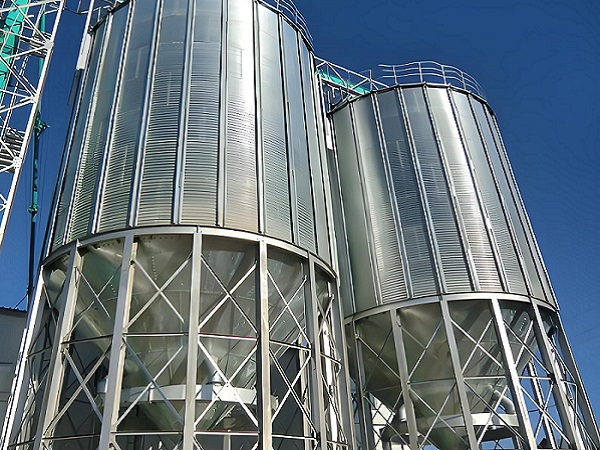
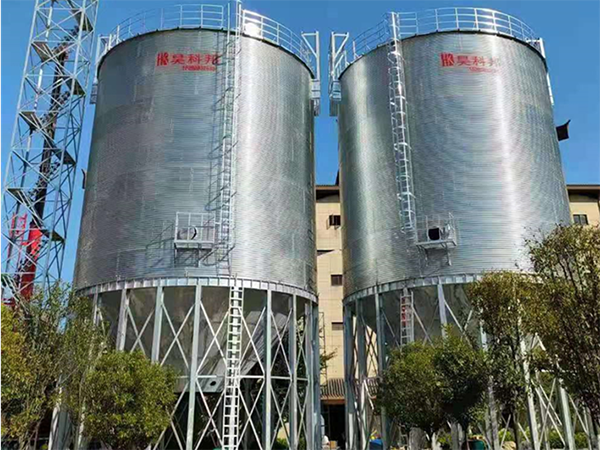
Silo upgrade and expansion
5. Real Project Example (Data-Based)
2000 Ton Wheat Silo Retrofit
| Item | Before | After |
|---|---|---|
| Storage Loss | 6% | <1.2% |
| Discharge Time | 10 hrs | 4 hrs |
| Monitoring | Manual | Automated |
| ROI Period | — | 1.5 years |
6. Retrofit Workflow (Step-by-Step)
- Site inspection
- Structural assessment
- Grain type analysis
- Retrofit design
- Equipment selection
- Installation
- Testing & commissioning
7. Cost Estimation Guide
| Upgrade Type | Cost Range (USD) |
|---|---|
| Basic Repair | $2,000 – $10,000 |
| Aeration Upgrade | $5,000 – $25,000 |
| Monitoring System | $8,000 – $30,000 |
| Full Retrofit | $20,000 – $150,000 |
8. Common Mistakes to Avoid
- Ignoring foundation strength
- Undersized aeration fans
- No moisture monitoring
- Cheap materials selection
- Poor airflow design
9. FAQ Section
Q1: How long does a silo retrofit take?
Answer: Typically 2–6 weeks depending on complexity.
Q2: Can old silos be fully upgraded?
Yes, most can be upgraded up to 80–90% performance of new silos.
Q3: What is the most important upgrade?
👉 Aeration system + monitoring system
Q4: Is retrofit better than building new?
In most cases, yes, especially when structure is still sound.
Q5: How to know if my silo needs upgrading?
Check for:
- Grain spoilage
- Uneven temperature
- Rust or leakage
- Slow discharge
10. Expert Recommendations
From an engineering perspective:
- Always prioritize airflow + monitoring
- Use high-quality galvanized steel (Z450+)
- Combine drying + storage for maximum ROI
- Plan upgrades with future expansion in mind
Conclusion
Grain silo retrofit is not just maintenance—it is a strategic investment.
With the right upgrade plan, you can:
- Extend silo lifespan by 10–20 years
- Reduce grain loss by up to 80%
- Improve operational efficiency
- Increase overall profitability
If you are planning a grain silo upgrade project, the best approach is to start with a professional assessment and phased retrofit strategy.
Need a Custom Retrofit Plan?
You can provide:
- Silo capacity
- Grain type
- Current issues
- Budget range
…and I can design a tailored upgrade solution for your project (with layout + equipment list).