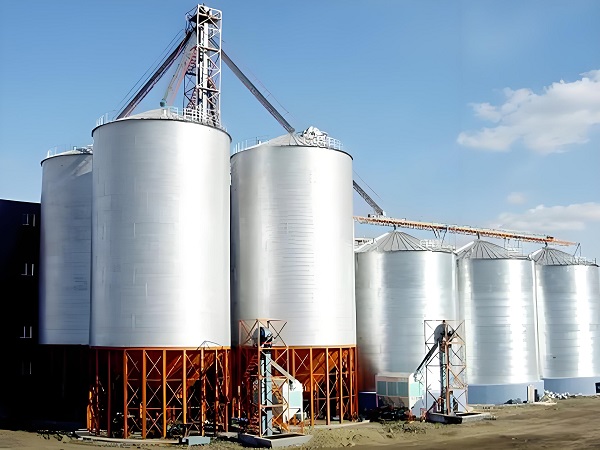
Introduction: Why Grain Silo Layout Design Matters for Feed Mills
In modern feed production plants, grain storage is not just about storing raw materials. A properly designed grain silo layout directly affects the efficiency, safety, and profitability of the entire feed mill.
Feed mills rely on a consistent supply of raw materials such as:
- Corn
- Wheat
- Soybeans
- Sorghum
- Barley
- Rice bran
- Other feed ingredients
These materials must be stored safely, transported efficiently, and delivered to the feed production line without interruption.
A poorly planned silo layout can cause many operational problems:
- material flow bottlenecks
- inefficient truck unloading
- excessive conveying distance
- higher energy consumption
- contamination risks
- reduced plant productivity
On the other hand, a well-designed grain silo layout provides multiple benefits:
- improved logistics efficiency
- lower operational costs
- higher storage capacity
- smoother integration with feed production lines
- safer working environment
This guide will explain how to design an efficient grain silo layout for feed mills, covering:
- feed mill storage planning
- grain silo capacity design
- material flow design
- equipment layout
- safety considerations
- real feed mill project examples
We will also introduce COBAN grain silo systems, which provide integrated solutions for feed factories worldwide.
Raw Material Storage Requirements in Feed Mills
Common Raw Materials in Feed Production
Feed mills process multiple raw materials simultaneously. Each material has different storage characteristics.
| Raw Material | Typical Usage | Storage Requirement |
|---|---|---|
| Corn | Main energy source | Large volume storage |
| Soybean meal | Protein source | Controlled humidity |
| Wheat | Energy ingredient | Medium storage |
| Sorghum | Alternative grain | Bulk storage |
| Barley | Livestock feed | Dry storage |
| Rice bran | Oil-rich ingredient | Short-term storage |
Among these materials, corn usually represents the largest storage volume, which is why grain silos are primarily designed around corn storage capacity.
Storage Capacity Planning
Feed mill storage capacity depends on:
- daily feed production
- raw material supply frequency
- transportation conditions
- seasonal price fluctuations
A typical feed mill maintains 7–15 days of raw material inventory.
Example:
| Feed Mill Capacity | Daily Raw Material Use | Recommended Storage |
|---|---|---|
| 10 TPH | 200 tons | 1500–3000 tons |
| 20 TPH | 400 tons | 3000–6000 tons |
| 40 TPH | 800 tons | 6000–12000 tons |
Proper silo layout ensures this storage volume can be handled efficiently.

Types of Grain Silos Used in Feed Mills
Flat Bottom Silos
Flat bottom silos are the most commonly used storage solution for feed mills.
Advantages include:
- large storage capacity
- long-term grain storage
- stable structure
- cost-effective for large facilities
Typical capacity range:
| Diameter | Height | Capacity |
|---|---|---|
| 6 m | 18 m | 500 tons |
| 10 m | 20 m | 1500 tons |
| 15 m | 25 m | 3500 tons |
| 20 m | 30 m | 8000 tons |
Flat bottom silos are often used for main grain storage.
Hopper Bottom Silos
Hopper bottom silos are designed for quick discharge and short-term storage.
They are commonly used for:
- intermediate storage
- batching bins
- feed mill production buffers
Advantages:
- gravity discharge
- fast unloading
- easy material control
Typical capacity:
| Model | Capacity |
|---|---|
| Small hopper silo | 20–100 tons |
| Medium hopper silo | 100–300 tons |
| Large hopper silo | 300–800 tons |
Steel vs Concrete Silos
Most modern feed mills use galvanized steel silos.
Advantages of steel silos:
- faster installation
- lower construction cost
- modular design
- easier expansion
- corrosion resistance
COBAN silos use high-quality hot-dip galvanized steel plates to ensure long service life.
Key Principles of Grain Silo Layout Design
Designing a grain silo layout requires consideration of several critical factors.
Efficient Material Flow
Material flow must move smoothly through the system:
Truck → Receiving pit → Elevator → Cleaning → Silo → Feed mill
A poor layout may cause:
- excessive conveyor length
- higher energy consumption
- slower unloading speed
Proper design minimizes conveying distance.
Separation of Different Raw Materials
Different grains must be stored separately to avoid contamination.
Example layout:
| Silo Group | Stored Material |
|---|---|
| Group A | Corn |
| Group B | Wheat |
| Group C | Soybean meal |
| Group D | Other ingredients |
This separation improves production flexibility.
Future Expansion Planning
Feed demand often increases over time.
A good layout must allow future expansion such as:
- additional silos
- extra drying equipment
- larger feed production lines
COBAN engineers typically reserve expansion space in the initial design.
Safety and Accessibility
The layout must allow:
- easy truck access
- maintenance space
- safe worker operation
- fire safety compliance
Safety is especially important when handling large grain volumes.
Typical Grain Silo Layout for Feed Mills
Small Feed Mill Layout (5–10 TPH)
Typical configuration:
| Equipment | Quantity |
|---|---|
| Grain silos | 2–4 |
| Hopper silos | 2 |
| Bucket elevator | 1 |
| Screw conveyors | Several |
Layout concept:
Truck Receiving Area
        ↓
Receiving Pit
        ↓
Bucket Elevator
        ↓
Grain Silos
        ↓
Feed Mill Production Line
Medium Feed Mill Layout (10–20 TPH)
Configuration example:
| Equipment | Quantity |
|---|---|
| Corn silos | 4 |
| Wheat silos | 2 |
| Soybean meal silos | 2 |
| Hopper silos | 4 |
| Bucket elevators | 2 |
This layout separates grains and protein ingredients.
Large Feed Mill Layout (20–60 TPH)
Large plants require complex layouts.
Typical system includes:
- raw grain receiving station
- grain cleaning system
- grain drying system
- large storage silos
- batching bins
- feed processing line
Storage capacity may exceed 20,000 tons.
Grain Receiving System Design
Truck Unloading System
Feed mills usually receive grain by truck.
Two common unloading methods:
Manual Dump Pit
Low investment option.
Capacity:
50–100 tons per hour.
Hydraulic Truck Dumper
High efficiency unloading system.
Capacity:
200–600 tons per hour.
Suitable for large feed factories.
Grain Cleaning System
Before entering silos, grain should be cleaned to remove:
- dust
- stones
- straw
- metal
Cleaning equipment typically includes:
- vibrating screens
- magnetic separators
- aspiration systems
Cleaning improves grain quality and protects downstream equipment.
Grain Conveying System
Efficient conveying systems are essential for silo layouts.
Common equipment includes:
Bucket Elevators
Used for vertical grain transportation.
Typical capacity:
| Model | Capacity |
|---|---|
| TDTG40 | 60 TPH |
| TDTG60 | 120 TPH |
| TDTG80 | 200 TPH |
Chain Conveyors
Used for horizontal grain movement.
Advantages:
- low power consumption
- high durability
- large capacity
Screw Conveyors
Used for short distance conveying.
Grain Aeration System
Proper aeration maintains grain quality during storage.
Aeration system components include:
- aeration fans
- ventilation ducts
- temperature monitoring cables
Benefits:
- prevents mold growth
- reduces grain temperature
- maintains grain freshness
Grain Silo Monitoring System
Modern feed mills use intelligent monitoring systems.
Monitoring includes:
- grain temperature
- moisture levels
- silo inventory
- airflow conditions
COBAN provides digital grain monitoring systems that allow remote management.
Case Study: COBAN Feed Mill Silo Project
20 TPH Feed Mill Project in Southeast Asia
Project configuration:
| Equipment | Quantity |
|---|---|
| 1500 ton grain silos | 6 |
| 300 ton hopper silos | 4 |
| bucket elevators | 2 |
| chain conveyors | several |
Total storage capacity:
10,200 tons
Results achieved:
- improved material handling efficiency
- reduced raw material waste
- stable feed production supply
Why Choose COBAN Grain Silo Systems
COBAN Machinery specializes in:
- grain storage silos
- grain dryers
- feed production lines
- grain conveying systems
Our advantages include:
Professional Engineering Design
We provide complete feed mill layout design tailored to each project.
High-Quality Galvanized Steel
Our silos use high-strength galvanized steel plates for durability.
Complete Turnkey Solutions
COBAN can provide:
- design
- manufacturing
- installation
- commissioning
- technical support
FAQ About Feed Mill Grain Silo Design
How many silos does a feed mill need?
It depends on feed production capacity and raw material types. Most feed mills use 4–10 silos.
What is the best grain silo capacity?
Common capacities include:
- 500 tons
- 1000 tons
- 1500 tons
- 3000 tons
How long can grain be stored in silos?
With proper aeration and monitoring, grain can be stored 6–12 months safely.
Conclusion
Grain silo layout design is a critical component of feed mill engineering. A well-planned system ensures efficient material handling, stable feed production, and long-term operational success.
Whether you are building a small feed factory or a large feed processing plant, selecting the right silo configuration and layout is essential.
COBAN Machinery provides professional grain silo systems and feed mill engineering solutions to customers worldwide.