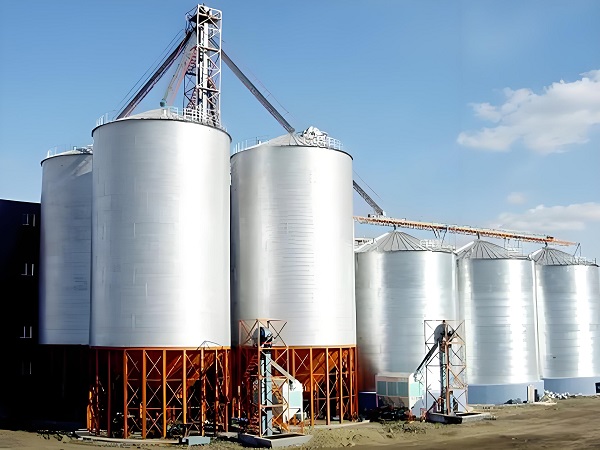
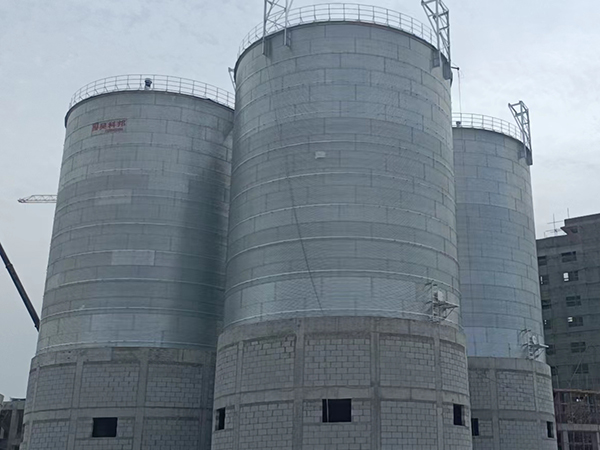
Composition of grain silo installation cost
The installation cost of grain silo mainly includes material procurement costs, construction costs, equipment installation and commissioning costs, transportation and taxes. Specifically:
Material procurement costs
Grain silos are mainly made of galvanized steel plates, sealing strips, ventilation equipment and anti-rust paint. The steel plates used in good silos must be at least 2 mm thick, so that they are strong and durable. The better the material, the more expensive it is, but it can be used longer and save maintenance costs.
Construction costs
Construction costs cover site preparation, infrastructure, silo assembly and related supporting projects. The construction costs in Uganda are greatly affected by the labor market and construction environment, especially in remote areas or areas with weak infrastructure. The increase in construction difficulty will lead to an increase in costs.
Equipment installation and commissioning costs
Grain silo are usually equipped with automated feeding and discharging systems, temperature and humidity monitors and ventilation equipment. The purchase and commissioning costs of these equipment are an important part of the cost. Although the initial investment of intelligent equipment is high, it can effectively improve the quality of grain storage and management efficiency.
Transportation and taxes
Because the steel and equipment of grain silos are large and heavy, transportation costs cannot be ignored. Uganda’s traffic conditions and port charges will also affect the overall logistics costs. In addition, import taxes and value-added taxes are also factors that must be considered in the budget.

The main factors affecting the installation cost of grain silo in Uganda
Silo capacity
The capacity of grain silos directly determines the scale of materials and equipment required. The larger the capacity, the higher the cost. Generally speaking, the capacity ranges from 500 tons to 5,000 tons. Enterprises can choose the appropriate specifications according to actual grain storage needs.
Silo type selection
The installation costs of different types of grain silo vary greatly. Steel plate silos are fast to install and relatively inexpensive; although concrete silos are more expensive, they have a longer service life and better durability.
Construction environment and basic conditions
The soil, climate and infrastructure conditions in different regions of Uganda vary greatly, and the construction difficulty varies accordingly. Complex geological conditions or severe weather conditions will extend the construction period and increase labor and machinery input.
Equipment automation level
Grain silos equipped with automated monitoring and inlet and outlet systems have large initial investments, but they can reduce labor costs and improve management efficiency in the long term, and are the preferred option for many modern grain depots.
Supply chain and logistics conditions
Uganda’s traffic conditions and logistics service levels affect the transportation costs of steel and equipment. Remote areas have high transportation costs and long transportation times, which increase the overall project cycle and costs.
Reference range of Uganda grain silo installation costs
Based on market research and actual project experience, the installation cost of Uganda grain silos is usually between US$10,000 and US$150,000, and the specific amount is affected by many factors. Taking a medium-sized steel plate silo with a capacity of 1,000 tons as an example, its cost structure is roughly as follows:
Material procurement: about US$4,000
Construction and infrastructure: about US$3,500
Equipment installation and commissioning: about US$2,500
Transportation and taxes: about US$1,500
Preparatory expenses (unforeseen expenses): about US$1,500
The total investment of the overall project is about US$13,000. Reasonable planning can effectively control costs.
Grain silo installation process and cost control suggestions
Project demand assessment
It is recommended that enterprises scientifically evaluate the capacity and type of grain silos based on their own grain storage scale and management needs, avoid blind expansion, and save unnecessary expenses.
Select high-quality suppliers
Choosing a grain silo manufacturer and construction team with rich Ugandan market experience and a complete after-sales service system will help ensure project quality and reduce additional costs caused by rework.
Optimize construction plan
Reasonably arrange the construction progress, combine local climate conditions and labor resources, avoid construction delays, improve efficiency, and reduce construction costs.
Strengthen logistics management
Plan the transportation route reasonably, try to choose a location with convenient transportation for installation, and reduce the additional expenses in the logistics link.
Focus on equipment intelligence
Although the initial cost of investing in an automated monitoring system is high, it can significantly improve the safety and management level of grain storage, and save manpower and maintenance costs in the long run.
Conclusion
In summary, the installation cost of grain silo in Uganda is affected by many factors. Enterprises should formulate reasonable budgets and plans based on actual needs and market environment. Scientifically selecting grain silos with appropriate capacity, type and equipment configuration can not only ensure food security, but also maximize investment benefits. With the advancement of Uganda’s agricultural modernization process, the market demand for grain silos continues to grow, and reasonable investment has become the key to improving competitiveness.