What is a grain silo?
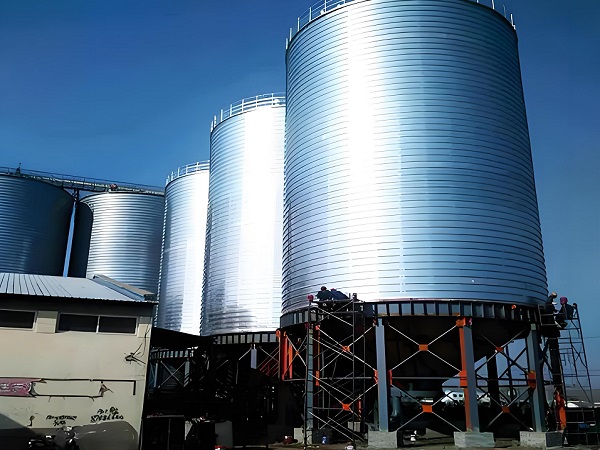
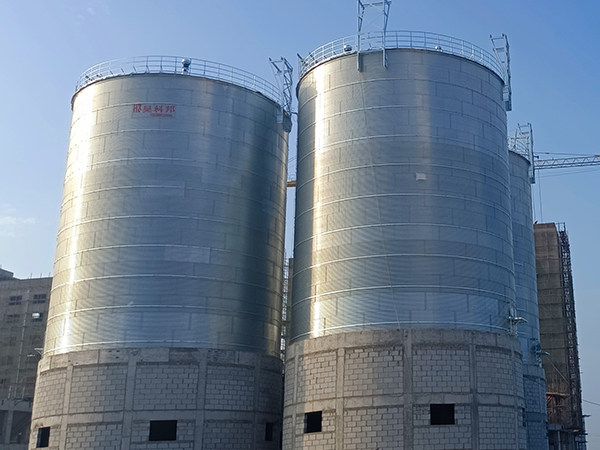
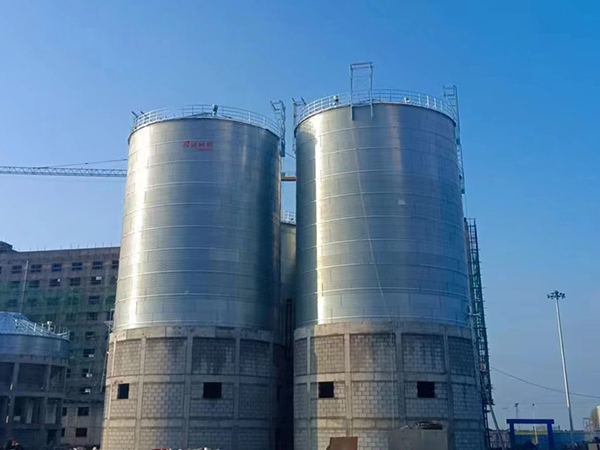
A grain silo is a vertical closed structure used for bulk grain storage. Common materials include galvanized steel plates, stainless steel or concrete. Its function is to extend the shelf life of grain, prevent pests and mildew, and improve storage and transportation efficiency. Most of the grain silos on the market currently have functions such as ventilation, temperature measurement and automatic unloading, and have become an important part of the modernization of grain depots.

Mainstream types of grain silo on the market
Grain silos currently on sale are mainly divided into the following types:
Metal silo
Metal silos with hot-dip galvanized corrugated steel plate structure have excellent sealing and anti-corrosion properties, and are particularly suitable for the medium-term storage of bulk grains such as wheat and corn for 6-12 months. This type of silo adopts a standardized module design, which can achieve flexible configuration of 50-5000 tons and is widely used in central reserve warehouses and large-scale farms.
Concrete silo
Grain silos with concrete structures are suitable for fixed grain storage facilities with ultra-large capacity. Due to their strong structure and good thermal insulation performance, they are commonly found in national or regional reserve grain warehouses. However, they have a long construction period and high investment cost, and are suitable for large institutions that plan to operate for a long time.
Modular silos
Modular grain silos are modular equipment that is easy to transport and quickly install on site. They are suitable for temporary grain procurement points or emergency storage projects with strong mobility. This type of product has gradually become a new choice for small and medium-sized users.
How to judge the quality and applicability of grain silo?
When selecting a grain silo, the following factors are key to performance and service life:
Material technology
High-quality grain silos should use high-zinc-layer galvanized sheets with good anti-rust performance. The thickness of the steel plate is recommended to be no less than 1.2mm.
Sealing performance
Good sealing can effectively prevent rainwater infiltration and pest invasion, which is the guarantee for long-term grain storage.
Ventilation and temperature control system
Modern silos are mostly equipped with bottom ventilation ducts and top vents to maintain the temperature and humidity balance of the grain pile and prevent condensation.
Automation level
High-performance grain silos support automatic temperature measurement, remote monitoring and mechanical discharging systems, which significantly reduce labor costs.

Grain silo sale price range
The selling price of grain silos varies significantly due to differences in model, capacity, material and automation configuration. The following is a reference to the mainstream market prices:
| Silo Capacity (Tons) | Type of Silo | Price Range (USD) | Remarks |
|---|---|---|---|
| 50–200 | Metal Silo | 8,000–20,000 | Suitable for small to medium-sized farms |
| 200–1000 | Metal Silo | 20,000–60,000 | Optional automatic ventilation and temperature measurement systems available |
| Over 1000 | Concrete Silo | 80,000–200,000+ | Ideal for long-term fixed grain storage projects |
| Mobile/Modular | Modular Structure | 5,000–15,000 | Easy to assemble and disassemble, suitable for temporary grain storage |
It should be noted that the above prices do not include transportation and basic civil engineering costs. The specific quotation needs to be evaluated in combination with the project location and construction conditions.
Main supply channels and procurement suggestions
Local manufacturers
In major grain producing areas such as the Midwest of the United States, Argentina, Ukraine or Northeast China, there are a large number of experienced grain silo manufacturers. These manufacturers provide customized design, on-site installation and after-sales service, and are the preferred partners.
International supply platform
Cross-border e-commerce platforms such as Alibaba International Station, Made-in-China.com, and Tradekey bring together a large number of grain silos suppliers, which are suitable for overseas buyers to quickly compare and purchase.
Second-hand equipment market
Some grain stations or processing plants will sell grain silos with a short service life when they transform, and the price is significantly lower than that of new equipment. However, when purchasing second-hand silos, it is necessary to focus on checking the degree of rust, sealing, and whether the accessories are complete.
Conclusion: Choose the right grain silo to help store grain safely
As the core facility of the modern grain storage system, the selection of grain silos directly determines the quality of grain storage and the efficiency of enterprise management. It is recommended that the purchaser should focus on three dimensions: first, determine the storage capacity based on the annual turnover and storage cycle; second, select the appropriate warehouse type based on the physical characteristics of different grain varieties such as wheat and corn; third, give priority to equipment suppliers with a complete after-sales system within the budget. Scientific and reasonable procurement decisions will significantly improve storage operation efficiency and reduce the cost of the entire life cycle.
Grain silo are the core equipment of modern grain storage systems, and their selection decisions directly affect the quality of grain storage and operational benefits. It is recommended that owners focus on evaluating the matching degree between silo parameters and processes in new construction or renovation projects to ensure maximum investment benefits.