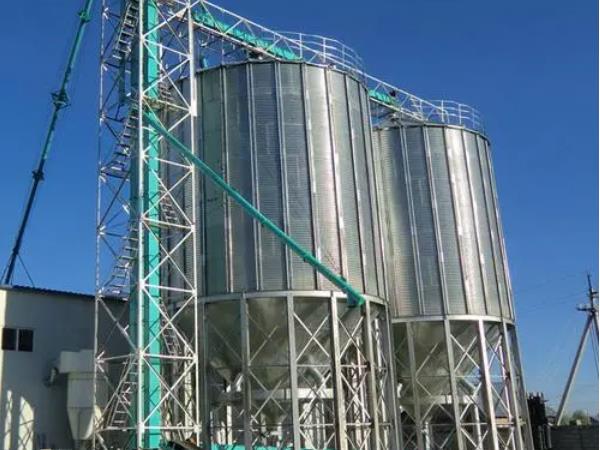
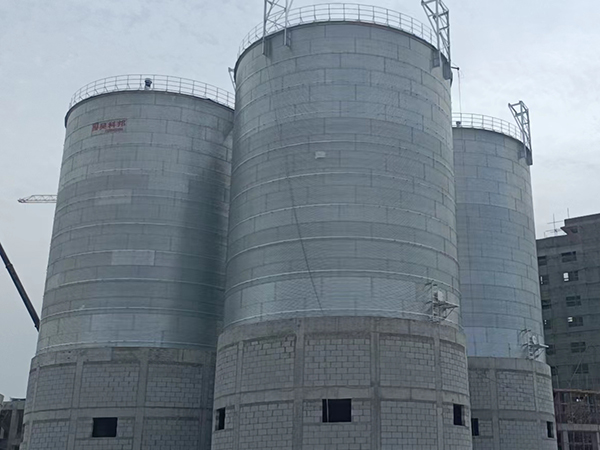
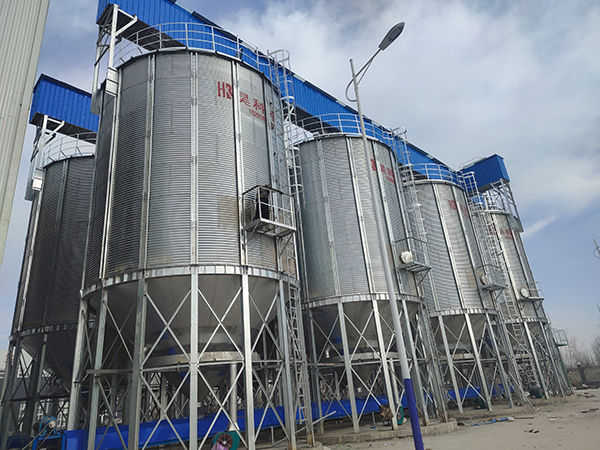
Grain storage is not just about capacity—it’s about protection. A poorly protected silo can lose structural integrity, contaminate stored grain, and lead to significant financial losses. Among all protection methods, galvanized silo coating remains the most reliable and widely used solution for preventing corrosion in modern grain storage systems.
This article takes a deep dive into how corrosion occurs, why zinc coating is essential, and how to maximize the lifespan of your grain silo through smart design, material selection, and maintenance practices.
Why Corrosion Is a Serious Threat to Grain Silos
Grain silos operate in challenging environments. They are constantly exposed to:
- Moisture from rain, humidity, and condensation
- Temperature fluctuations causing expansion and contraction
- Chemical reactions from grain respiration and organic acids
- Dust accumulation, which can retain moisture and accelerate corrosion
Over time, these factors lead to steel oxidation, weakening the silo structure and potentially causing:
- Wall thinning and perforation
- Structural instability
- Grain contamination
- Increased maintenance costs
This is why corrosion protection is not optional—it is a core part of silo engineering.
What Is Galvanized Silo Coating?
Galvanized silo coating refers to applying a protective layer of zinc onto steel surfaces. This is typically done through hot-dip galvanization, where steel sheets are immersed in molten zinc.
The result is a metallurgical bond that creates a durable, corrosion-resistant barrier.
How Zinc Protects Steel
Zinc provides protection in two key ways:
- Barrier Protection
The zinc layer isolates steel from oxygen and moisture. - Cathodic Protection
Even if the coating is scratched, zinc sacrifices itself to protect the exposed steel underneath.
This dual protection mechanism makes galvanized steel ideal for long-term grain storage applications.

Types of Galvanized Coatings Used in Grain Silos
Different projects require different coating specifications. Common zinc coating levels include:
- Z275 (275 g/m²) – Standard protection for moderate environments
- Z350 (350 g/m²) – Enhanced durability for higher humidity
- Z450 (450 g/m²) – Heavy-duty protection for harsh climates
For coastal regions or tropical environments, higher zinc coating thickness is strongly recommended to ensure long service life.
Here is a clear and professional technical parameter table for galvanized silo coating, suitable for placing on a product or article page:
Technical Parameters of Galvanized Silo Coating
| Item | Specification / Description |
|---|---|
| Coating Type | Hot-Dip Galvanized Steel |
| Zinc Coating Thickness | Z275 / Z350 / Z450 (275–450 g/m²) |
| Coating Standard | ASTM A653 / EN 10346 |
| Steel Base Material | High-Strength Galvanized Steel Sheet |
| Corrosion Resistance | 10–30 Years (Depending on Environment) |
| Surface Treatment | Passivation / Anti-Fingerprint / Oil Coating (Optional) |
| Adhesion Strength | Strong Metallurgical Bond (No Peeling) |
| Applicable Environment | Humid, Tropical, Coastal, and Industrial Areas |
| Temperature Resistance | -30°C to +120°C |
| Maintenance Requirement | Low (Periodic Inspection Recommended) |
Optional Upgrade Parameters (For Harsh Conditions)
| Item | Enhanced Option |
|---|---|
| Heavy Zinc Coating | ≥ Z450 (450 g/m² or higher) |
| Additional Protection | Epoxy / Polyester Powder Coating |
| Bolt Protection | Galvanized or Dacromet-Coated High-Strength Bolts |
| Sealing System | Waterproof Silicone Sealant |
Key Factors That Affect Silo Corrosion
Even with galvanized silo coating, several factors influence corrosion performance:
1. Environmental Conditions
- High humidity accelerates oxidation
- Coastal areas introduce salt corrosion
- Industrial zones may contain corrosive gases
2. Grain Type
Certain grains release more moisture or organic acids:
- Corn and wheat: moderate impact
- Rice: higher moisture retention
- Soybeans: oil content can affect internal conditions
3. Ventilation and Aeration
Poor airflow leads to condensation inside the silo, increasing the risk of internal corrosion.
4. Installation Quality
Improper sealing, damaged coatings during assembly, or poor bolt protection can become corrosion starting points.
Advantages of Using Galvanized Steel Silos
Choosing a high-quality galvanized silo coating offers multiple long-term benefits:
Extended Service Life
Properly galvanized silos can last 20–30 years or more with minimal degradation.
Low Maintenance Costs
Reduced need for repainting or structural repairs.
Food Safety Assurance
Prevents contamination caused by rust particles.
Strong Structural Integrity
Zinc-coated steel maintains strength even under heavy loads and environmental stress.
Advanced Corrosion Protection Technologies
Modern grain silo systems often combine galvanization with additional protection strategies:
1. Double-Layer Coating Systems
Combining galvanization with organic coatings (paint or epoxy) for extreme environments.
2. High-Strength Bolts with Protective Coating
Bolts are often the weakest points. Using galvanized or Dacromet-coated bolts improves durability.
3. Sealing Systems
Waterproof sealants prevent moisture ingress at joints and connections.
4. Aeration and Temperature Monitoring
Reducing internal moisture is just as important as external protection.
Maintenance Tips for Long-Term Performance
Even the best galvanized silo coating requires proper maintenance. Here are practical steps to maximize lifespan:
- Inspect the silo annually for scratches or coating damage
- Clean accumulated dust and debris regularly
- Check and maintain aeration systems
- Repair damaged areas with zinc-rich paint
- Monitor moisture levels inside stored grain
Preventive maintenance is far more cost-effective than major repairs.
Choosing the Right Silo for Corrosion Resistance
When selecting a grain silo, consider:
- Zinc coating thickness (Z275 vs Z450)
- Steel quality and tensile strength
- Climate conditions at installation site
- Type of grain being stored
- Manufacturer’s engineering standards
A well-designed silo system integrates corrosion protection into every detail—from panels to bolts to roof structure.
Future Trends in Silo Coating Technology
The industry is continuously evolving. Some emerging trends include:
- Aluminum-zinc alloy coatings for enhanced durability
- Smart coatings that respond to environmental changes
- Eco-friendly galvanization processes reducing environmental impact
- Digital monitoring systems for corrosion detection
These innovations aim to further extend silo lifespan while reducing operational risks.
Conclusion
Corrosion is one of the biggest threats to grain storage safety and profitability. Investing in high-quality galvanized silo coating is not just about protecting steel—it’s about protecting your entire operation.
From material selection to installation and maintenance, every detail matters. A properly designed and protected grain silo ensures:
- Long-term durability
- Safe grain storage
- Lower operational costs
- Reliable performance in any environment
If you’re planning a new grain storage project or upgrading an existing system, focusing on corrosion protection from the start will save you significant time and money in the future.