How to Expand Storage Efficiently with Modern Silo Engineering
In the global grain supply chain, storage capacity is directly tied to operational efficiency, commodity price management, and logistics flexibility. As production volumes increase and grain trading cycles change, many facilities eventually face the same challenge: their existing grain silo system reaches its capacity limit.
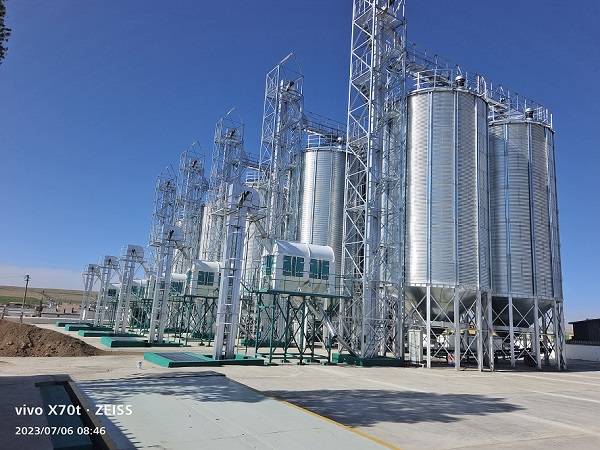
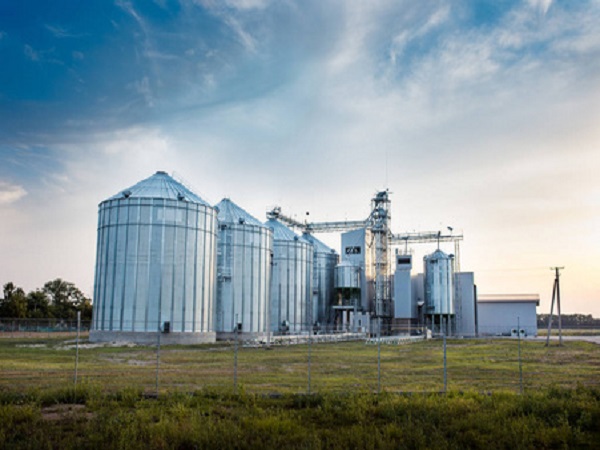
Instead of building an entirely new storage complex, many operators are now adopting grain silo expansion solutions that allow them to increase storage capacity within the existing site footprint. With proper engineering, a silo expansion project can significantly increase storage volume, reduce capital expenditure, and shorten project timelines.
This article explores when silo expansion is necessary, what technical conditions must be evaluated, and the most practical silo capacity expansion methods used in modern grain storage systems, while highlighting the advanced engineering solutions developed by COBAN.
1. When Is Grain Silo Expansion Necessary?
Silo expansion is typically considered when operational demand begins to exceed the original design capacity of the storage facility. However, the decision should be based on data-driven operational indicators rather than assumptions.
Key Signals That Indicate the Need for Silo Capacity Expansion
| Indicator | Operational Impact | Typical Threshold |
|---|---|---|
| Storage utilization rate | Persistent full capacity limits grain intake | >85% average utilization |
| Seasonal grain backlog | Trucks waiting during harvest season | >6–12 hours waiting time |
| Grain purchase volume growth | Procurement exceeds storage turnover ability | >20% annual growth |
| Export or feed production expansion | Additional storage buffer required | New production lines |
| Grain quality management needs | Separate storage required for varieties | Multi-grade storage demand |
For example, a feed processing plant may initially install 6 silos with 5,000 tons capacity each. If annual raw material consumption increases from 60,000 tons to 120,000 tons, the facility may need additional storage buffering to maintain stable procurement.
In such cases, expanding the silo system becomes more economical than relocating or rebuilding the entire storage facility.

2. Technical Conditions Required for Silo Expansion
Before implementing a grain silo capacity expansion project, several engineering assessments must be conducted. Silo expansion is not simply adding storage; it must comply with structural safety, logistics flow, and operational efficiency.
Engineering Evaluation Checklist
| Assessment Category | Evaluation Focus | Engineering Requirement |
|---|---|---|
| Foundation capacity | Soil bearing capacity | Must support additional structural load |
| Structural strength | Existing silo shell stress limits | Compliance with structural codes |
| Aeration and ventilation | Airflow capacity | Must maintain grain quality |
| Conveying system | Elevator and conveyor capacity | Must handle increased throughput |
| Explosion safety | Dust explosion prevention | Compliance with grain safety standards |
| Site space | Layout feasibility | Space for additional silos or modifications |
A professional engineering review ensures that silo expansion does not compromise structural integrity or grain preservation conditions.
3. Main Methods of Grain Silo Capacity Expansion
There are several engineering approaches to expanding grain silo storage. The best method depends on site constraints, structural design, and operational goals.
Method 1 — Adding Additional Silos
The most common silo expansion solution is installing new silos within the existing facility layout.
Characteristics
- Simple engineering implementation
- Minimal impact on existing structures
- High scalability
Example Expansion
| System | Before Expansion | After Expansion |
|---|---|---|
| Number of silos | 8 units | 12 units |
| Single silo capacity | 6,000 tons | 6,000 tons |
| Total capacity | 48,000 tons | 72,000 tons |
This method increases storage while maintaining the existing silo design.
Method 2 — Increasing Silo Height
Another effective grain silo expansion method is increasing the vertical height of existing silos.
Engineering Concept
By adding additional silo rings and reinforcing the structure, operators can increase storage volume without increasing land usage.
Example Capacity Increase
| Silo Diameter | Original Height | Expanded Height | Capacity Increase |
|---|---|---|---|
| 18 m | 22 m | 30 m | +35% |
| 22 m | 25 m | 35 m | +40% |
This method requires detailed structural analysis to ensure that wind loads, grain pressure, and foundation loads remain within safe limits.
Method 3 — Building Interstitial Silos
In many existing facilities, unused spaces exist between large silos. These spaces can be utilized by installing interstitial silos.
Advantages
- Efficient use of existing space
- Lower construction cost
- Minimal changes to conveying systems
This strategy is commonly used in large grain terminals and feed mills.
Method 4 — Installing Hopper Bottom Silos for Buffer Storage
Another approach involves adding hopper bottom silos that function as high-turnover buffer storage.
Typical Applications
- Feed mills
- Flour processing plants
- Grain drying facilities
These silos improve grain flow efficiency and unloading speed, helping facilities manage peak harvest periods.
4. COBAN Advanced Silo Expansion Technology
COBAN has developed specialized engineering solutions for grain silo capacity expansion, designed to maximize storage efficiency while maintaining structural safety and grain quality.
Key Technical Advantages of COBAN Expansion Systems
| Technology | Function | Benefit |
|---|---|---|
| Modular silo ring design | Enables vertical expansion | Flexible capacity increase |
| High-strength galvanized steel | Enhanced structural durability | Long service life |
| Integrated aeration upgrades | Maintains grain quality | Prevents spoilage |
| Smart monitoring systems | Tracks grain temperature and moisture | Reduces storage risks |
| Customized conveying upgrades | Matches expanded storage throughput | Ensures logistics efficiency |
COBAN engineering teams conduct comprehensive site assessments before designing an expansion plan, ensuring the system integrates seamlessly with existing infrastructure.
5. Real-World Case Study: Grain Storage Expansion Project
Project Background
A regional grain trading company experienced rapid growth in procurement volume due to increased export demand.
Original Facility
| Parameter | Value |
|---|---|
| Number of silos | 10 |
| Silo diameter | 18 m |
| Single silo capacity | 6,500 tons |
| Total capacity | 65,000 tons |
Expansion Solution
COBAN engineers designed a combined expansion strategy:
- Added 4 new silos
- Increased existing silo height by 6 meters
- Upgraded grain conveying system
Result
| Parameter | Before | After |
|---|---|---|
| Total silos | 10 | 14 |
| Total storage capacity | 65,000 tons | 105,000 tons |
| Grain intake capacity | 200 t/h | 350 t/h |
| Logistics efficiency | Standard | +45% improvement |
The project was completed without interrupting the facility’s grain operations.
6. Cost Considerations for Silo Expansion
Compared to building a completely new storage facility, grain silo expansion typically offers significant cost advantages.
Typical Cost Comparison
| Solution | Relative Investment | Construction Time |
|---|---|---|
| New silo facility | 100% | 12–18 months |
| Silo expansion | 40–70% | 4–8 months |
Factors affecting expansion cost include:
- Foundation reinforcement
- Conveying system upgrades
- Aeration modifications
- Automation system upgrades
7. Operational Benefits of Silo Expansion
A well-designed grain silo capacity expansion provides multiple operational benefits.
Key Advantages
Improved procurement flexibility
Operators can purchase grain during harvest peaks when prices are lower.
Reduced logistics congestion
More storage buffers prevent truck waiting and unloading delays.
Enhanced grain quality control
Additional silos allow separation by:
- moisture level
- grain variety
- harvest period
Better risk management
Larger storage capacity helps stabilize supply chains.

Feed mill silo expansion
8. Frequently Asked Questions About Silo Expansion
1. Can all grain silos be expanded vertically?
Not always. The possibility depends on:
- foundation strength
- shell design
- structural load capacity
A structural engineering evaluation is required.
2. Is silo expansion cheaper than building new silos?
In most cases, yes. However, if the site layout is extremely limited, building a new facility may sometimes be more practical.
3. Will silo expansion affect grain quality?
Properly designed expansion projects include upgraded aeration systems, temperature monitoring, and ventilation, ensuring grain quality remains stable.
4. How long does a typical silo expansion project take?
Project duration varies depending on complexity, but most expansions are completed within 3–8 months.
9. Why Choose COBAN for Silo Expansion Projects
COBAN specializes in customized grain storage engineering solutions, including silo expansion, grain drying integration, and conveying system upgrades.
COBAN Strengths
- Extensive experience in large-scale grain storage engineering
- Advanced modular silo expansion technology
- Engineering teams providing site-specific structural analysis
- Integrated solutions covering storage, drying, and grain handling
With a focus on engineering safety, operational efficiency, and long-term durability, COBAN helps clients expand their storage capacity while maintaining reliable grain preservation conditions.
Conclusion
Grain silo expansion is an effective strategy for facilities facing increasing storage demand. By carefully evaluating structural conditions, logistics systems, and operational requirements, companies can significantly increase their storage capacity without the expense of constructing entirely new facilities.
Modern engineering solutions—especially those offered by COBAN—enable operators to implement safe, efficient, and scalable silo expansion systems that support the evolving needs of the global grain industry.