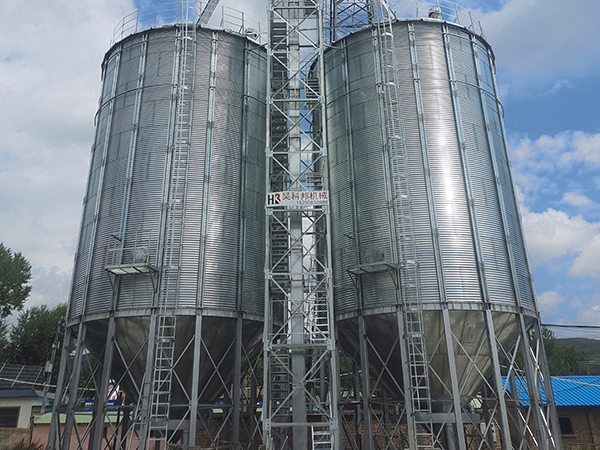
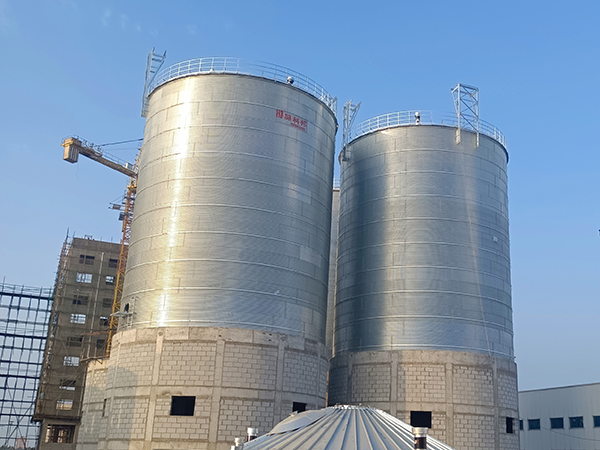
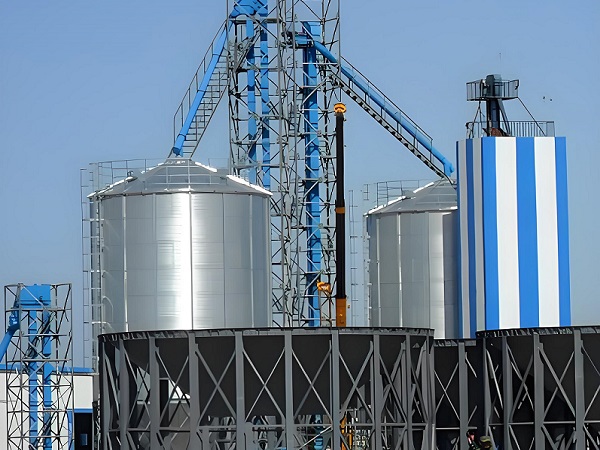
In modern post-harvest grain handling systems, the performance of a silo is not determined only by its steel structure or storage capacity. One of the most critical yet often underestimated components is the grain silo aeration fan system. As an essential part of a galvanized steel grain storage silo, aeration fans directly influence grain quality, moisture stability, temperature control, and long-term storage safety.
From an engineering perspective and a commercial project execution standpoint, aeration systems are not optional—they are a core requirement for protecting grain value and reducing post-harvest losses.
This article explains in detail how grain silo aeration fans work, their technical principles, design parameters, advantages, applications, pricing logic, and frequently asked questions.
1. What Is a Grain Silo Aeration Fan?
A grain silo aeration fan is a mechanical ventilation device designed to push or pull ambient air through stored grain inside a silo. The goal is to maintain uniform temperature and moisture conditions, preventing:
- Mold growth
- Hot spots (localized heating)
- Insect infestation
- Grain respiration damage
- Condensation inside silo walls
In most modern galvanized steel silos, aeration systems are installed at the bottom of the silo, connected to perforated floors or air ducts.
Typical applications include:
- Maize (corn) storage silos
- Wheat silos
- Rice storage systems
- Soybean and sorghum storage
- Feed ingredient silos in feed mills

Grain Silo Aeration Fans
2. Working Principle of Aeration Fans in Grain Silos
The operating principle is based on controlled airflow and heat exchange.
Step-by-step working process:
- Air Intake
The fan draws ambient air from outside the silo through an intake filter or hood system. - Pressurization
The centrifugal or axial fan increases air pressure (static pressure typically 300–3000 Pa depending on silo height and grain depth). - Air Distribution
Air is pushed into a plenum chamber under the silo floor. - Even Airflow Through Grain Mass
Air passes through perforated floors or ducts, moving upward through grain layers. - Heat & Moisture Exchange
- Hot air absorbs moisture from grain or cools overheated zones
- Temperature equalization occurs throughout the grain mass
- Exhaust Release
Air exits from the top ventilation outlets or roof vents.
3. Key Technical Parameters of Aeration Fans
From an engineering design perspective, selecting the correct aeration fan depends on silo height, grain type, and climate conditions.
Typical performance parameters:
- Airflow capacity: 500 – 30,000 m³/h per fan unit
- Static pressure range: 300 – 3000 Pa
- Motor power: 0.75 kW – 15 kW (small to large silos)
- Fan type: Axial flow / centrifugal high-pressure fans
- Airflow rate requirement:
- 0.1 – 0.5 m³/min per ton of grain (depending on climate)
- Operating voltage: 380V / 440V / 50–60Hz industrial standard
For example:
- A 1,000-ton maize silo may require 2–4 aeration fans of 5.5 kW each
- A 5,000-ton commercial silo system may require 10+ distributed fan units with zoning control
4. Why Aeration Fans Are Critical in Grain Silos
From both a business and engineering perspective, aeration systems directly impact profitability.
4.1 Grain Quality Preservation
Without airflow control, grain temperature rises due to respiration, leading to:
- Dry matter loss (up to 0.2–0.5% per month)
- Quality downgrade in trading markets
4.2 Mold & Mycotoxin Prevention
Moist environments above 14–15% moisture content increase:
- Aspergillus growth
- Aflatoxin risk (especially in maize)
Aeration stabilizes grain moisture distribution.
4.3 Temperature Equalization
External climate differences can create “hot spots” inside silos. Fans eliminate temperature gradients.
4.4 Insect Control (Non-chemical)
By lowering grain temperature below 15°C, insect reproduction is significantly reduced.
4.5 Structural Protection
Condensation on steel walls is reduced, protecting galvanized steel silo panels from corrosion over time.
5. Types of Grain Silo Aeration Fans
5.1 Axial Flow Fans
- High airflow, low pressure
- Ideal for shallow silos or cooling applications
- Lower energy consumption
5.2 Centrifugal High-Pressure Fans
- High static pressure capability
- Suitable for deep silos (>10–25 meters grain height)
- More stable airflow distribution
5.3 Portable Aeration Units
- Used in temporary storage or mobile silo systems
- Flexible deployment
5.4 Multi-fan Zoning Systems
Advanced silos use multiple fans controlled by temperature sensors.
6. System Integration in Modern Grain Silos
In modern turnkey grain storage projects provided by companies such as COBAN Machinery, aeration systems are integrated into a full ecosystem:
- Temperature monitoring cables inside grain mass
- Automatic fan control panels
- Humidity sensors
- PLC-based ventilation automation
- Roof exhaust vents with rain protection
This integration allows smart grain storage management, reducing manual inspection needs by up to 70%.

7. Energy Consumption and Operating Cost
Aeration systems are energy-efficient but depend on usage cycles.
Typical consumption:
- Small silo system: 2–5 kW total
- Medium silo system: 10–30 kW total
- Large commercial silo park: 50–150 kW total
Operating pattern:
- Intermittent operation (2–8 hours/day depending on climate)
- Seasonal intensive cooling after harvest
- Minimal operation in stable storage periods
Electricity cost is typically far lower than grain spoilage losses, making aeration systems highly cost-effective.
8. Price Range of Grain Silo Aeration Fans
Pricing depends on:
- Fan type (axial vs centrifugal)
- Motor power (kW rating)
- Material (carbon steel vs stainless)
- Control system integration
- Airflow capacity
General market reference:
- Small fan (0.75–1.5 kW): $120 – $350
- Medium industrial fan (3–7.5 kW): $400 – $1,200
- Heavy-duty silo fan (11–15 kW): $1,200 – $3,500
- Full aeration system (per 1,000-ton silo): $2,000 – $8,000+
Turnkey pricing in silo projects is usually bundled into total silo engineering cost.
9. Installation Considerations
Proper installation determines system efficiency.
Key engineering points:
- Correct fan-to-silo ratio (airflow balance design)
- Even floor perforation layout
- Sealing of plenum chamber to avoid air leakage
- Anti-vibration mounting for motor stability
- Weather protection for external fan housing
- Maintenance access space design
Incorrect installation can reduce aeration efficiency by 30–50%.
10. Maintenance Guidelines
Aeration fans are low-maintenance but require routine checks:
- Clean air filters every 1–3 months
- Inspect bearings every 6 months
- Check motor insulation resistance
- Remove dust buildup in fan blades
- Verify airflow distribution annually
Typical lifespan:
- 8–15 years depending on operating conditions
11. FAQ – Grain Silo Aeration Fans
Q1: Do all grain silos need aeration fans?
Yes. Any long-term grain storage (>30 days) requires aeration to maintain quality and prevent spoilage.
Q2: Can aeration fans dry grain?
They do not replace grain dryers, but they can reduce moisture migration and stabilize already dried grain.
Q3: How many fans does a silo need?
It depends on capacity:
- 500 tons: 1–2 fans
- 1,000–2,000 tons: 2–6 fans
- 5,000+ tons: multi-zone system with 8–20+ fans
Q4: What is the best temperature for stored grain?
- Wheat: 10–15°C
- Maize: below 18°C
- Rice: below 15°C
Q5: Can aeration work in humid climates?
Yes, but operation must be controlled. Fans should run during low-humidity periods (night or early morning).
12. Conclusion
Grain silo aeration fans are not just auxiliary equipment—they are a core engineering system that determines whether stored grain retains market value or suffers post-harvest loss.
From airflow dynamics to moisture control and temperature stabilization, aeration systems directly impact storage safety, profitability, and operational efficiency.
In modern agricultural infrastructure, especially in large-scale grain storage projects delivered by engineering suppliers like COBAN Machinery, aeration fan systems are designed as part of an integrated intelligent storage solution rather than a standalone accessory.
For any commercial grain silo project, investing in a properly designed aeration system is not a cost—it is a long-term risk control strategy.