Four Key Precautions for Storing Powdered Materials in Grain Steel Silo
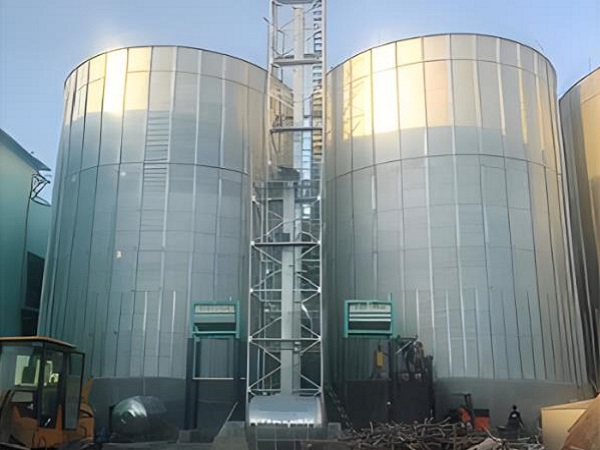
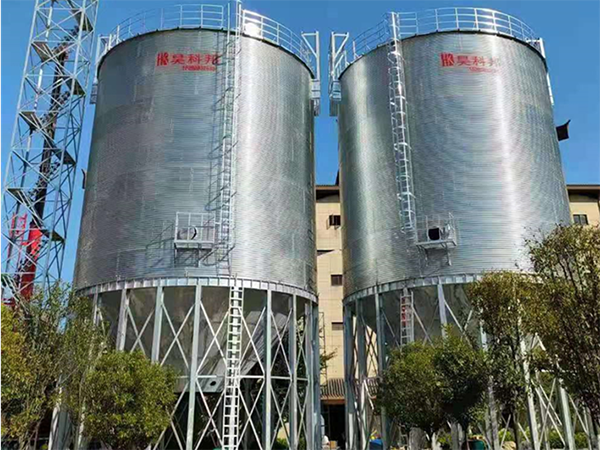
Storing powdered materials in grain steel silo requires stricter management compared to storing regular granular materials. In particular, fine particles like flour pose a high risk of dust explosions, making proper training and strict safety measures essential for safe operation. To help ensure the safe storage of powdered materials, here are four key precautions to follow.

Strengthen Management and Raise Safety Awareness
Effective management plays a crucial role in safely storing powdered materials in grain steel silo. Companies should regularly conduct safety training to ensure that every operator fully understands the risks of dust explosions and how to prevent them. Additionally, establishing detailed operational guidelines helps staff follow standard procedures, reducing safety hazards caused by management negligence.
Enhance Safety Monitoring and Eliminate Potential Hazards
Safety monitoring is vital when handling powdered materials. Operators should conduct routine inspections of the storage environment, focusing on factors such as dust concentration, temperature, humidity, and equipment conditions. If they detect any issues—such as dust accumulation, aging electrical components, or ventilation failures—they must take immediate corrective action to prevent dust explosions.
Maintain Proper Ventilation to Reduce Dust Concentration
During material loading, keeping the storage area well-ventilated is essential to prevent dust accumulation. When dust concentration reaches a certain level, it can easily ignite from static electricity or open flames, leading to an explosion. Operators should ensure ventilation systems function properly and, if necessary, install dust removal equipment to minimize airborne dust and reduce the risk of accidents.
Implement Dust and Explosion Prevention Technologies
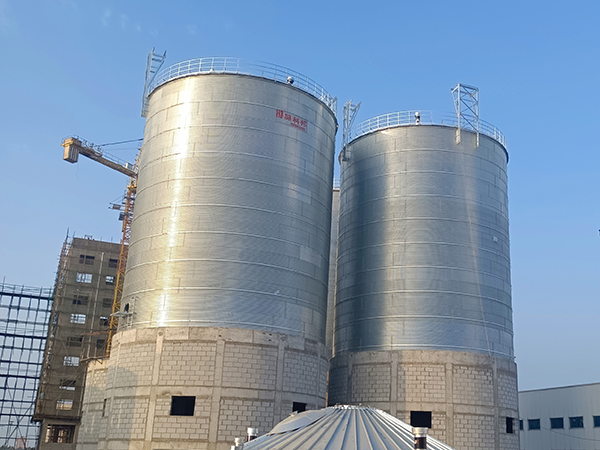
To mitigate the risk of dust explosions from the outset, companies should integrate advanced dust and explosion prevention technologies when designing and installing grain steel silo. Using anti-static materials for silo construction, installing explosion-proof valves and doors, and equipping professional dust collection systems can help prevent dust buildup. Additionally, selecting explosion-proof electrical equipment minimizes the chances of fire hazards caused by electrical sparks or short circuits.
Conclusion
Safely storing powdered materials in grain steel silo requires strict adherence to safety protocols, including proper management, continuous monitoring, effective ventilation, and advanced dust and explosion prevention technologies. By following these four key precautions, operators can significantly reduce the risk of dust explosions and ensure the safe operation of grain steel silo.