This article will be systematically analyzed by Kebang for you on the internal structure, operation principle of corn silos and their key role in the agricultural grain storage system, helping to enhance your understanding of professional grain storage equipment and at the same time increase the keyword coverage and search value of the website page.

What is a corn silo?
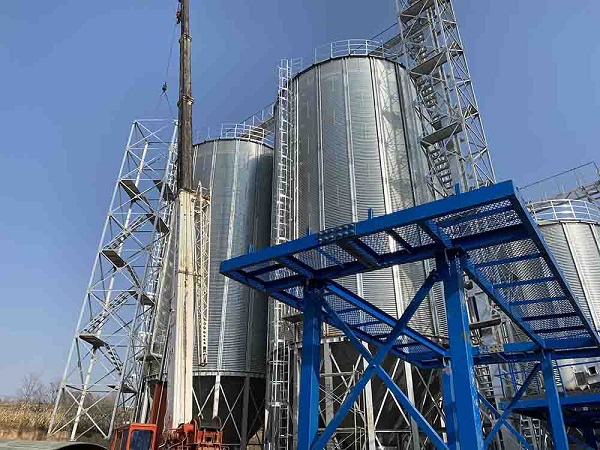
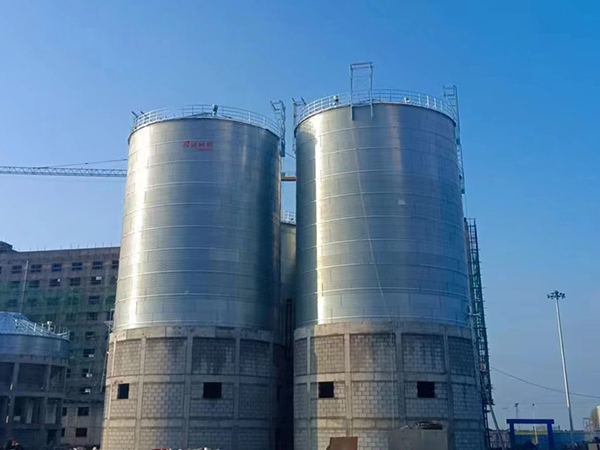
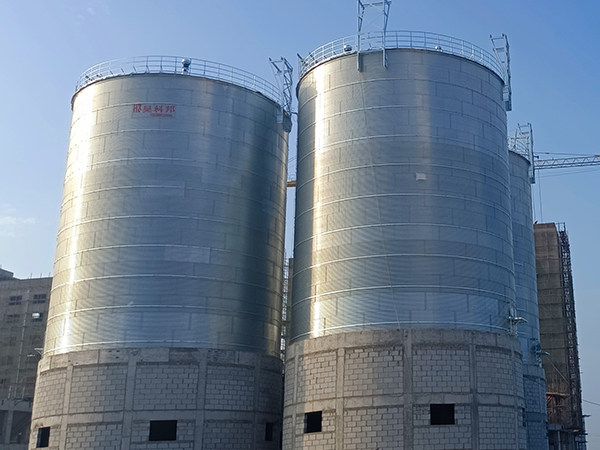
A Corn Silo is a vertical storage structure specifically designed for large-scale storage of grains such as corn. It is usually constructed with galvanized steel plates or high-strength steel, featuring strong weather resistance, good sealing effect and high load-bearing capacity. Scientific grain storage methods can not only maximize the preservation period of corn, but also significantly reduce losses caused by pests, mold and moisture fluctuations. This is also an important reason why Kebang has long been dedicated to the continuous upgrading of silo technology.
Core Structure of Corn Silo
A modern corn silo is typically composed of the following key components, each of which is closely related to storage safety:
Bottom structure of the silo
The bottom adopts a conical or flat-bottomed design and is equipped with multiple discharge ports. These outlets are connected to the unloading and conveying equipment to achieve controllable unloading of corn. Conical bottom silos have the advantage of gravity self-flow, while flat-bottomed silos are suitable for large volume storage and can be equipped with silo cleaners to achieve efficient unloading.
Silo main body
The main body is the storage space of the entire silo, which is assembled layer by layer with high-strength steel plates. The interior usually adopts a smooth structure to reduce dead corners for grain accumulation, ensure uniform air circulation, and at the same time improve the efficiency of mechanical clearance.
Silo top
The top structure is composed of a loading port, a distributor and a waterproof top cover, etc. The loading port is connected to the conveying system to evenly introduce corn into the silo. The distributor ensures that the materials are evenly piled up in the silo, avoiding the impact of uneven loading on structural stability.

Working Mechanism of Corn Silo: A Key Step in Scientific Grain Storage
Corn remains in a “breathing state” after harvest, with its moisture and temperature constantly changing. Therefore, improper storage can easily lead to mold, spontaneous combustion or pest infestation. The core function of corn silos is precisely to ensure the long-term safe preservation of grains by scientifically regulating the internal environment.
The following are the key mechanisms of silo operation:
Temperature and humidity control system
The key risks during the storage of corn stem from “high temperature” and “excessive humidity”. Silos are usually equipped with intelligent temperature and humidity detection systems:
Real-time monitoring of the temperature and humidity of the grain pile
Automatically start or stop the ventilation system
Lower the temperature of the grain pile through low-temperature ventilation to inhibit the growth of mold
Maintain stable humidity to lock in the quality of grains
Kebang’s silo technology, through an intelligent control program, enables the automation of temperature and humidity regulation, significantly enhancing the reliability of grain storage.
Airflow regulation inside the silo
Air flow is the core of the safety of corn storage. The bottom of the silo is equipped with ventilation ducts or ventilation plates. Through the fan, vertical or horizontal airflow is formed to carry out “cooling, dewatering and mold prevention” treatment on the corn.
The main functions include:
Maintain the oxygen content in the grain pile
Reduce heat generation and condensation
Prevent local “hotspots” of grain due to poor ventilation
Good airflow design helps enhance the overall storage stability of silos and is also one of the key focuses of long-term optimization in product structure design by Kebang.
Insect and dust prevention design
Pests are another major hidden danger in granary storage. Multi-layer filtration devices are installed at the silo’s ventilation openings, loading and unloading systems, etc., including:
Insect-proof net
Air filter
Sealing strips and closed structures
These devices can effectively prevent external pests from invading and at the same time reduce the entry of dust and impurities in the air into the silo, thereby ensuring the cleanliness and quality of the corn.
Core Advantages Brought by Corn silo
High-capacity storage enables large-scale operation
Compared with the traditional stack-based grain storage method, silos can achieve the maximum utilization rate of storage space within a limited area. The multi-warehouse combination design can expand the storage capacity according to the needs of the farm or processing plant, providing a guarantee for the annual production planning.
Improve the quality of raw grains and reduce losses
A stable storage environment can significantly reduce the risk of corn mold caused by changes in temperature and humidity, especially in regions with large seasonal temperature differences such as Northeast and North China, where the advantages are more obvious.
Automated operation processes make management more efficient
Modern silo systems not only have high loading and unloading efficiency but can also be achieved through automated equipment:
Automatic detection
Automatic ventilation
Automatic early warning
Intelligent warehouse management
This significantly reduces operational difficulty and enhances the overall operational efficiency of the enterprise.
V. Why are corn silo so favored by modern agriculture?
As a modern grain storage equipment with a mature structure and complete functions, corn silos are not only suitable for corn but also can store various grains such as soybeans, wheat, and rice. Their application scenarios include farms, processing enterprises, feed mills, and grain reserve depots, etc. Its strong adaptability and high cost performance make it an indispensable part of the modern agricultural supply chain.
Kebang adheres to technological innovation and intelligent upgrading as its core, providing customers with safer and more efficient grain storage solutions to help the grain industry chain achieve long-term stable development.
Conclusion
Corn silos are not only carriers for grain storage but also significant achievements of modern agricultural science and technology. Through the comprehensive application of technologies such as temperature and humidity control, scientific ventilation, and pest and moisture prevention, silos can maintain the nutrition and quality of corn during long-term storage, significantly reducing losses. For agricultural enterprises that pursue stable production and efficient operation, choosing professional and high-quality silo equipment is a key step to ensure production profits.
For more information on professional silo equipment or customized grain storage solutions, please feel free to contact Kebang. We will provide you with professional support.