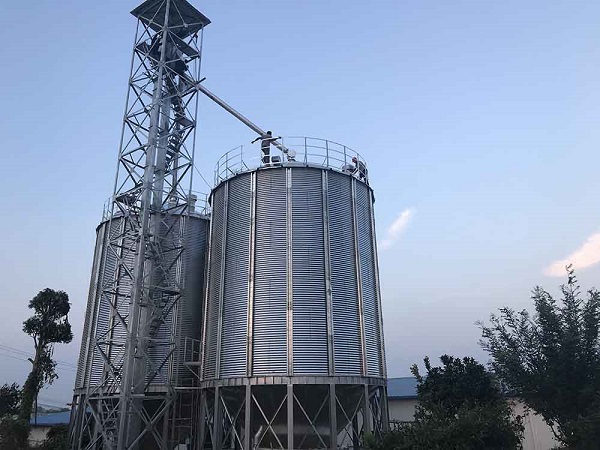
Full-Process Analysis of Seed Storage Silo Construction
Preliminary Project Planning
As a key element of modern agricultural infrastructure, a Seed Storage Silo requires comprehensive planning before construction begins. Project teams must first determine the silo’s location and size based on operational needs and create a rational site plan. They then conduct geological surveys and soil analysis to evaluate the bearing capacity and stability of the foundation. Finally, they prepare construction materials—such as steel plates and welding supplies—as well as the necessary machinery and labor force.
Foundation Treatment and Base Construction
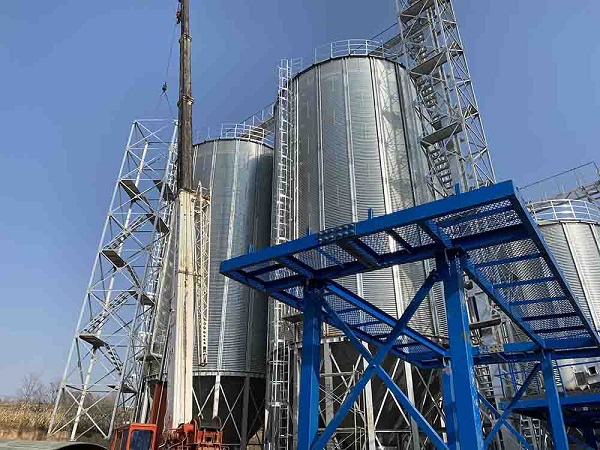
A solid foundation ensures the safe and long-term operation of the Seed Storage Silo. Construction teams excavate the site according to geological reports and apply appropriate treatment measures—such as reinforcing the soil or improving load-bearing capacity. After that, they pour and cure the concrete foundation. Upon completion, they carry out quality inspections and acceptance checks to confirm the foundation’s stability and reliability.
Silo Steel Structure Construction Process
Teams begin by processing steel plates—cutting and bending them according to the silo’s design and scale—using rolling machines. Then, they assemble the processed plates and secure them using bolts or welding to form the silo’s main structure. During assembly, workers ensure the flatness and verticality of the steel plates to maintain the structure’s stability and safety.
Installation of Functional Systems
Construction of a Seed Storage Silo includes not only the main structure but also the integration of supporting systems. These include entry and exit points, ventilation systems, and fire protection systems. Teams install these systems based on design specifications and operational needs to ensure the silo functions safely and efficiently. For example, they add ventilation openings and skylights at the top of the silo to facilitate airflow and material handling.
Engineering Acceptance and Quality Control
After construction is complete, teams carry out a thorough inspection of both the main structure and the supporting systems. They verify that each component—such as entry points, ventilation units, and fire protection facilities—meets operational requirements and safety standards. Once all systems pass inspection, they approve the project for handover and use.
Maintenance and Upkeep
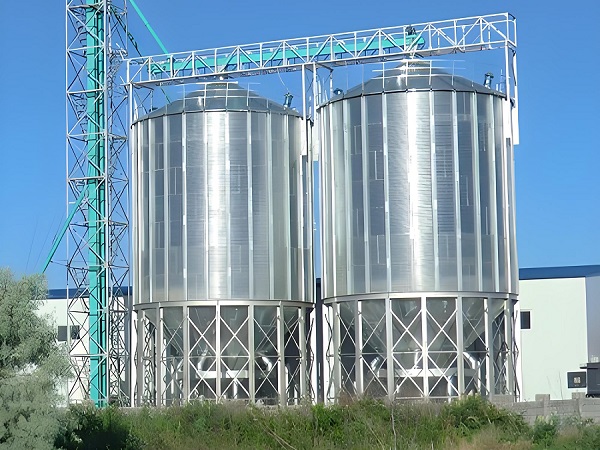
To ensure long-term performance, operators implement a comprehensive maintenance plan:
Routine checks: Inspect the silo’s structure weekly and test equipment monthly.
Seasonal maintenance: Check waterproofing before the rainy season and enhance fire safety in dry seasons.
Professional support: Establish long-term service agreements with equipment suppliers.
Staff training: Regularly conduct training sessions on operational procedures and safety awareness.
Green Construction Practices
During construction, teams emphasize safety and environmental responsibility. They strictly follow safety regulations and enhance on-site management to protect workers’ health and safety. They also minimize the release of pollutants—such as dust and noise—to protect the surrounding environment.
Technological Innovation and Development
As technology evolves, Seed Storage Silo construction continues to advance. Teams increasingly adopt new materials and smart technologies, such as energy-efficient ventilation systems and intelligent fire control solutions. These innovations not only improve the silos’ core storage functions but also enhance their sustainability, safety, and efficiency.
By combining scientific planning, precise construction, and standardized management, modern Seed Storage Silos provide secure and reliable storage solutions for agriculture. As technology progresses, these facilities will continue to evolve toward smarter and more modular designs.