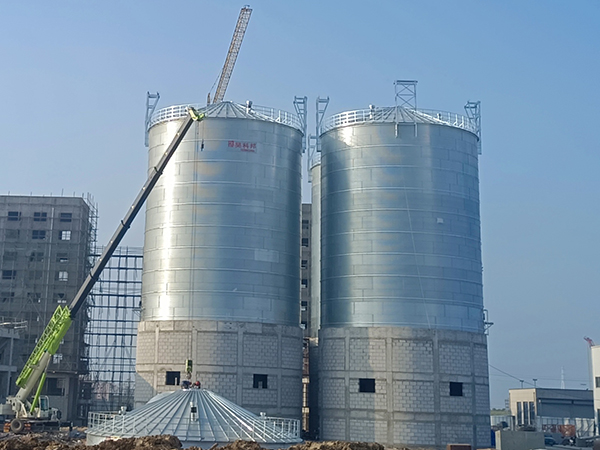
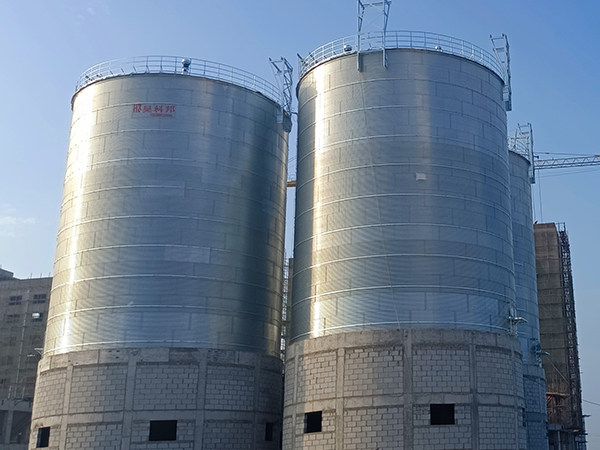
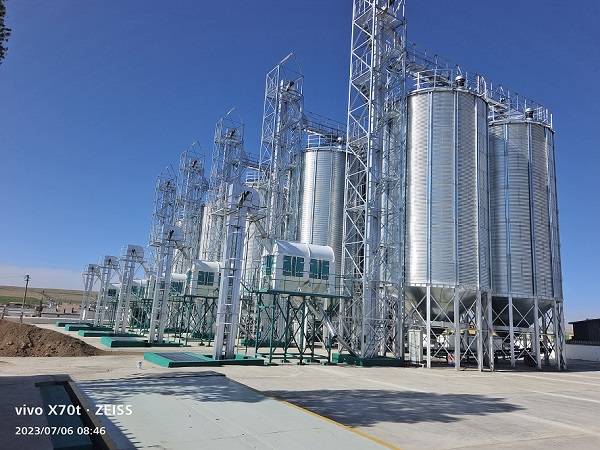
What is a grain silo?
As the core facility of modern agricultural storage, grain silos are vertical grain storage structures made of steel plates, concrete or composite materials. Compared with traditional open-air storage, silos can effectively prevent moisture and rodent damage through a closed design, and are equipped with a temperature control system to delay grain deterioration. Modern grain silos are generally divided into three types: small farm silo of 10-50 tons, medium-sized commercial silos of 100-1000 tons, and large-scale port turnover silos of 10,000 tons. Their modular structure allows for later expansion.

Does construction require a license?
In my country, the construction of grain silos must comply with the “Standards for the Construction of Grain Storage Facilities”. Small silos below 20 tons are exempt from approval, but must be registered with the local agricultural department; medium and large projects exceeding 200 tons or 15 meters in height must obtain construction permits and environmental impact assessment reports from the housing and construction department. It is particularly important to note that if the silos is located within the scope of basic farmland, it is also necessary to apply for additional approval for agricultural facility land use. It is recommended to consult a professional organization before construction to avoid the risk of demolition due to incomplete procedures.
Expected life of silo
The service life mainly depends on the material and maintenance level:
Galvanized steel silos
15-20 years (rust prevention treatment is required every 3 years)
Stainless steel silo
more than 25 years (high initial cost but simple maintenance)
Concrete silos
30-40 years (good seismic resistance but long construction period)
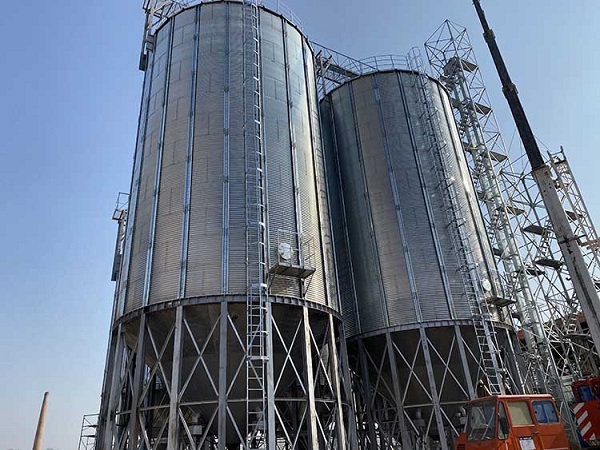
Price analysis of a silo
The current market price range is:
Small silos (20 tons)
28,000-35,000 yuan (including foundation construction)
Medium silos (500 tons)
180,000-250,000 yuan (with conveying system)
Large silo (10,000 tons)
2 million-3 million yuan (including automatic control system)
The core factors affecting the price include:
Material cost
(steel plate accounts for 40% of the total project price)
Regional differences
(the insulation layer needs to be strengthened in the north, and the cost will increase by 10%)
Additional functions
(such as humidity monitoring system increases by 15,000 yuan/set)
The 2024 industry report shows that due to the fluctuation of steel prices, the average price of grain silos has increased by 6% year-on-year. It is recommended to pay attention to futures market when purchasing.
Conclusion
When choosing a grain silo, it is necessary to balance short-term costs and long-term benefits. The case of a Jiangsu rice company shows that the 300-ton stainless steel silos built with an investment of 280,000 yuan recovered its cost within 3 years by reducing grain losses. It is recommended to conduct an on-site inspection of the supplier’s past projects before purchasing, and give priority to service providers that provide a 10-year warranty.