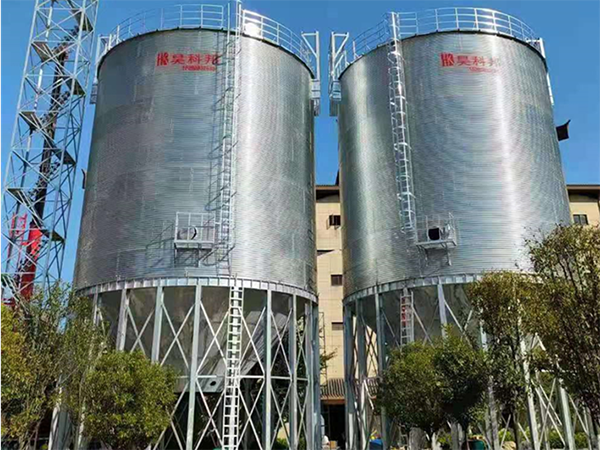
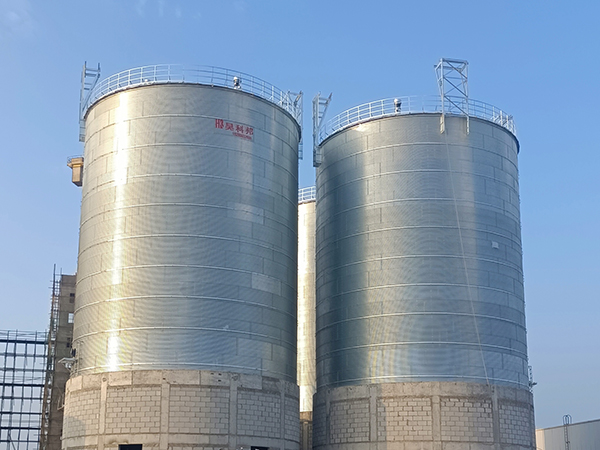
The Crucial Role of Chicken Feed Silo in the Poultry Industry
In the poultry industry, chicken feed silo play an extremely important role. They are essential equipment in the poultry farming process, undertaking the crucial tasks of safely storing feed, preventing feed from getting damp, and avoiding contamination. With the help of chicken feed silos, poultry farmers can effectively ensure the quality of feed, thereby creating a healthy growth environment for the chicken flock and promoting their robust growth.

Significant Advantages of Chicken Feed Silo
Maintaining Feed Freshness
Chicken feed silos are designed with excellent sealing performance, which can effectively block external air and moisture. As a result, the environment where the feed is stored remains relatively stable, and the freshness of the feed can be maintained for a long time, allowing the chicken flock to always have access to high-quality feed.
Reducing Contamination Risks
The silos are equipped with special feed inlet and outlet systems. This design significantly reduces the contact between the feed and the external environment. Various external contaminants find it difficult to enter the silo, thereby significantly reducing the possibility of feed contamination and providing strong protection for the health of the chicken flock.
Reducing Feed Waste
Reasonable storage methods are fully embodied in chicken feed silos. They can effectively reduce the occurrence of feed oxidation and mold. This not only avoids direct waste caused by feed spoilage but also reduces health problems that may arise from the chicken flock consuming spoiled feed, indirectly saving farming costs.
Key Points for Selecting Suitable Chicken Feed Silo
Capacity Planning
When selecting chicken feed silos, poultry farmers should first consider the scale of poultry farming and the demand for feed. Based on these factors, they can determine the capacity of the silo to ensure that it can meet the daily feed storage needs without causing space waste or management inconvenience due to excessive capacity.
Material Consideration
The choice of material is crucial for chicken feed silo. Materials with good anti-corrosion and moisture-proof properties should be preferred. Such materials can ensure that the feed remains unspoiled for a long time in the silo, extending the shelf life of the feed and guaranteeing its quality.
Convenience Evaluation
Whether the feed inlet and outlet of the silo are convenient, and whether it is easy to clean and maintain are also important factors to consider when selecting. Convenient feed inlet and outlet operations can improve work efficiency, while easy cleaning and maintenance can ensure the hygiene of the silo and reduce the possibility of bacterial growth.

Precautions for Using Chicken Feed Silo
Regular Inspection and Maintenance
Poultry farmers need to regularly inspect chicken feed silos, focusing on their sealing performance and structural integrity. They should promptly identify and address any potential problems to ensure the normal use of the silos. This prevents feed damage caused by silo failures.
Cleaning and Disinfection Work
Regular cleaning of the silos is an important measure to maintain their hygiene. At the same time, necessary disinfection treatments should be carried out to effectively eliminate possible bacteria and prevent their breeding and reproduction in the silos, which could affect feed quality and the health of the chicken flock.
Rational Use Principle
When using chicken feed silo, the principle of “first in, first out” should be followed. This can ensure the circulation of feed and avoid feed spoilage due to long-term storage in the silo. Rational use can fully leverage the advantages of chicken feed silos and improve feed utilization efficiency.
Chicken feed silos are indispensable important equipment in the poultry industry, greatly improving the efficiency and safety of feed storage. They bring many conveniences to poultry farmers. By scientifically and reasonably selecting and using chicken feed silos, poultry farmers can better ensure feed quality. This creates favorable conditions for the healthy growth of the chicken flock.