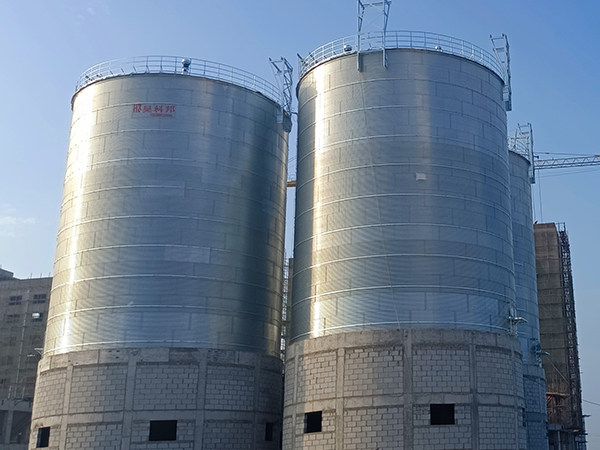
Zambia 3 × 2,000 Ton Maize Silo Project
This project showcases a complete grain silo storage system designed and installed by COBAN engineering team. It demonstrates our capability in delivering safe, efficient, and durable grain storage solutions for global agricultural projects.

Engineering Project
Project Data
Key engineering parameters & system configuration
Country
Zambia, Africa
Material
Maize / Corn
Capacity
3 × 2,000 Tons
Installation
Flat Bottom Steel Silos
Engineering Highlights
- Turnkey grain storage solution
- Integrated feed processing system
- High-efficiency automated operation
- Global installation & commissioning support
Project Overview
Located in Zambia, Africa, this project primarily focuses on the centralized procurement and long-term storage of local maize. The client required a large-capacity grain storage system to reduce grain losses caused by open-air storage during the harvest season, while simultaneously improving the efficiency of maize inbound, storage, and outbound operations.
Based on the client’s storage needs, COBAN provided three 2,000-ton flat-bottom galvanized steel grain silos, with a total designed storage capacity of 6,000 tons. The project employs a centralized conveying and independent storage layout, facilitating the client’s categorized management based on maize batches and moisture content.
 |  |  |
Storage System Configuration
Considering the processing volume during centralized corn storage and subsequent maintenance needs, this project primarily utilizes three flat-bottomed steel silos, supplemented with necessary conveying and grain storage management equipment.
Main configurations include:
- Three 2,000-ton flat-bottomed steel silos: Constructed with galvanized corrugated steel plates, suitable for large-volume bulk corn storage.
- Bucket elevators and conveying equipment: Lift and transport corn from the receiving area to designated silos.
- Silo bottom ventilation system: Improves ventilation conditions within the grain piles using fans and ventilation ducts.
- Grain temperature monitoring system: Monitors grain temperature changes at different locations to help determine storage status.
- Grain discharge system: Equipped with bottom unloading ports and cleaning equipment to reduce residual grain after discharge.
On-site Installation and Construction Focus
Zambia’s corn harvest is seasonal, and customers typically need to store large quantities of grain within a short period. Therefore, COBAN prioritizes equipment operational stability and ease of maintenance in its storage solutions.
1. Silo Foundation and Main Structure Installation
Flat-bottomed steel silos need to withstand significant grain loads. Before installation, the foundation design should be completed based on local geological conditions and silo load requirements, and the positions of embedded parts, foundation elevation, and anchor bolts should be checked.
During silo installation, the connections of galvanized sheets, bolt tightness, silo wall verticality, and silo roof sealing should be carefully checked to prevent leaks or loose connections later.
2. Conveying System Connection
The three silos share the main grain inlet conveyor line, with corn being fed into different silos via a distribution device. During installation, the connection between the elevator and conveyor needs to be checked to ensure smooth material flow into the silo roof.
3. Ventilation and Temperature Monitoring
After the corn is stored, managing grain temperature and moisture content is crucial. Especially during hot seasons, localized temperature increases inside the storage silo can raise the risk of mold growth.
Therefore, the ventilation ducts at the bottom of the silo need to be rationally distributed to avoid significant ventilation dead zones. The location of grain temperature monitoring cables should be determined during the installation phase to facilitate subsequent inspection and maintenance.
Project Solution Features
| Design Highlights | Practical Value to Customers |
|---|---|
| Three Independent Storage Compartments | Convenient for managing different batches of corn in separate compartments |
| Centralized Conveying System | Reduces redundant configuration of lifting and conveying equipment |
| Flat-bottomed Silo Structure | Suitable for large-capacity grain storage up to 2,000 tons |
| Ventilation and Temperature Monitoring Configuration | Facilitates daily monitoring of grain storage conditions |
Project Summary
The Zambia 3 × 2,000 Ton Maize Silo Project showcases COBAN’s silo system solutions for large-capacity corn storage needs.
For corn buyers, grain trading companies, and large grain processing plants, COBAN can provide steel silos, conveying equipment, ventilation systems, and related supporting facilities, tailored to storage capacity, site conditions, and grain turnover requirements, along with installation guidance and technical support.
Engineering Process
1. Project Consultation
2. System Design
3. Equipment Manufacturing
4. Installation
5. Commissioning
6. Operation Support
Client Benefits
Lower Labor Cost
Higher Storage Safety
Improved Efficiency
Automated Operation
Faster ROI
Global Support
Request A Quote
Tell us your capacity, grain type, and project location. We will design a turnkey solution for you.