Is a Hopper Bottom Silo Worth the Investment? A Deep Dive into Storage Costs and Operational Efficiency
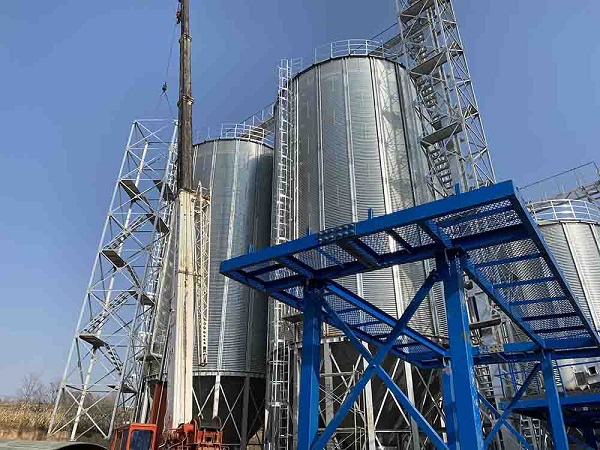
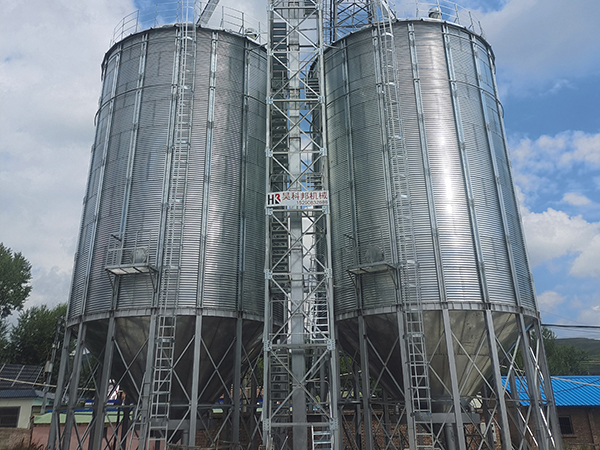
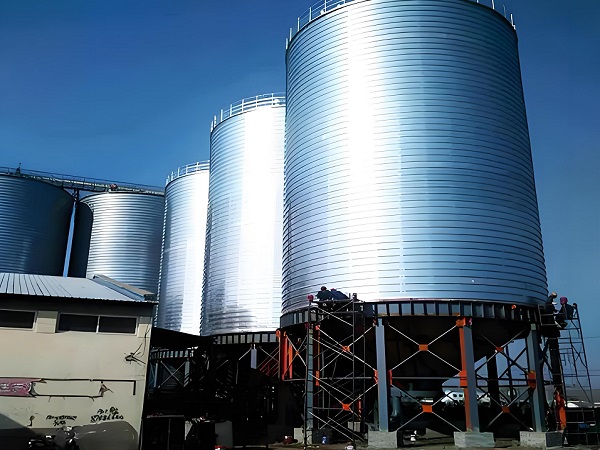
When we transition from flat storage (warehouse-style) to specialized steel silos, especially Hopper Bottom Silo, the math changes significantly. Based on decades of industry data and practical field observation, let’s break down why the “cost per bushel” is the most critical metric for your facility’s ROI.

The Standard: Understanding the Bushel vs. Weight Relationship
Before diving into the costs, it’s vital to synchronize our units. While the metric system is global, the international grain trade still breathes in Bushels (bu). As many of you know, a bushel is a volumetric measurement, but its weight equivalent varies by crop density:
- Wheat/Soybeans: ~60 lbs (27.216 kg) per bushel.
- Corn: ~56 lbs (25.401 kg) per bushel.
- Barley: ~48 lbs (21.77 kg) per bushel.
This variation means your silo’s “true capacity” and its cost-efficiency are directly tied to the specific gravity of the grain you’re storing.
Direct Operational Costs: The Hopper Advantage
The primary reason commercial operators move toward hopper bottom silos is the drastic reduction in Direct Operational Costs.
According to historical data from the China Grain Logistics Research and Training Center, the difference in handling costs is staggering. For a standard 2,400-ton grain train shipment:
- Flat Warehouses (Traditional): Direct handling costs can hover around $1.80 – $2.00 per ton (approx. 13.12 RMB/t).
- Steel Silos (Hopper/Concrete): Costs drop to roughly $0.13 – $0.15 per ton (approx. 0.93 RMB/t).
Why the gap? It comes down to labor and electricity. A hopper bottom silo utilizes gravity for total clean-out. You aren’t paying for “sweep augers” or manual labor to push the remaining grain toward the discharge point. In a 370,000-jin (approx. 185-ton) storage cycle, the operational overhead for a steel silo is often 30% lower than conventional flat storage.

The Hidden Metric: Maintenance and Preservation Costs
When calculating the cost per bushel, you must account for shrinkage and spoilage. A “cheap” storage solution becomes expensive the moment you lose 2% of your grain to moisture or pests.
From our experience in the field, storing paddy or corn in a hopper silo versus a flat warehouse yields a significant delta in “maintenance fees”:
- Preservation Efficiency: Steel silos allow for integrated aeration systems. In a year-long storage cycle, maintenance costs for a steel silo are estimated at 2.94 RMB per 10,000 jin, compared to 13.6 RMB for traditional methods.
- Power Consumption: The electricity used for in-and-out handling and temperature control is consistently lower. We see an average saving of nearly 18-20% in energy costs per bushel when using modern steel hopper designs.
Is the Higher Initial Investment Justified?
I often get asked: “Hopper silos have a higher upfront cost per bushel than flat bottom silos of the same volume. Why should I choose them?”
The answer is Turnover Frequency. If you are storing grain long-term (over a year) without moving it, a large flat-bottom silo might make sense. However, if your facility handles multiple rotations per year—common in feed mills and processing plants—the hopper bottom pays for itself through:
- Zero Residue: Preventing cross-contamination between batches.
- Speed: Faster load-out times for trucks and rail.
- Labor Savings: No manual intervention needed for discharge.
The Bottom Line
When you factor in reduced labor costs, lower power consumption, and superior grain value retention, the total cost of ownership (TCO) per bushel over a 5-10 year period for cone-bottom silos is actually much lower than that of traditional warehousing.
In today’s volatile market, “saving cents” on the bushel is what separates a profitable operation from a struggling one. If you’re looking to upgrade your grain logistics, don’t just look at the price of the steel—look at the cost of the operation.