In order to ensure the long-term stable operation of the silo, correct selection of bolts, reasonable installation and scientific maintenance are crucial links. This article will introduce in detail the structural characteristics of bolted steel silo, bolt technical requirements, installation points and daily maintenance guidelines to help you extend the service life of your equipment and improve storage safety.

Structural Characteristics of Bolted Steel Silo
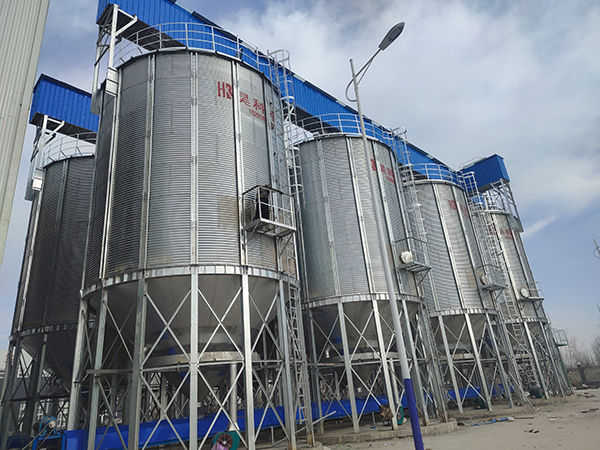
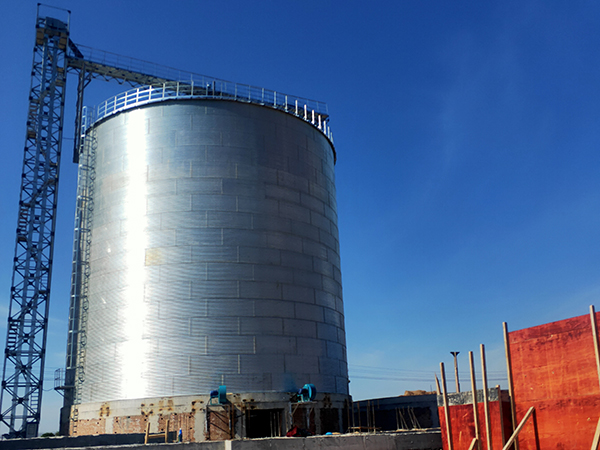
Bolted steel silo is a prefabricated silo made of multiple high-strength galvanized steel plates connected by bolts. Compared with traditional welding bins, bolt bins have the following significant advantages:
Modular design: All parts are removable, easy to transport, and flexible to install on site.
Excellent anti-corrosion performance: The surface is hot-dip galvanized, which has strong anti-corrosion ability and can effectively resist moisture, acid and alkali corrosion.
Strong air tightness: The surface treated by hot-dip galvanizing process has good anti-corrosion properties and can prevent corrosion by moisture, acid and alkali and other corrosive substances.
Easy maintenance: The structure is compact, no complicated welding or hot work is required, and later inspection and replacement of parts are more convenient.
II. Silo Bolt Types and Technical Specifications
Silo bolts, also known as guardrail bolts, are the core components of bolted steel silo connections.
In the European market, they are widely used in applications with high sealing requirements, such as oil tanks and grain silos.
Material and Strength Grade
Bolts are usually made of 1035 medium carbon steel and are heat treated to improve mechanical strength. The bolts are generally grade 8.8. In order to prevent oxidation and corrosion, the surface needs to be hot-dip galvanized so that it can be used for a long time in moisture, acid, alkali or chemical gas environments.
Proper Bolt Length
Bolt length determines joint strength and sealing performance.
Excessive length: The nut cannot be tightened before the joint is closed, and rotating bolts can easily damage the glass coating on the sheet metal.
Too short: The thread does not fully enter the nut and cannot provide sufficient clamping force.
If the bolt is too short, the thread cannot fully enter the nut and the clamping effect will be affected. Typically, the shank of the bolt should bear most of the shear forces. When selecting bolts, the total thickness of the warehouse wall plate, gasket and coating should be measured and the appropriate length should be selected.
Installation Orientation and Sealing
During installation, the bolt head should be located inside the silo, with the nut and washer located outside.
Before piercing the holes, apply an even layer of sealant to the bottom of the bolt head to prevent chemical attack.
When installing the gasket, external contractors should scrape excess sealant under the gasket to form a protective cushion. Finally, tighten the nut to a torque of 65 Nm.
If the bolt is located in the top or bottom corner area, only 32Nm is required to prevent local stress concentration.

Installation Precautions and Tightening Sequence
In order to avoid deformation or coating damage caused by uneven stress on the warehouse plate, the tightening sequence of bolts must be scientific and reasonable.
As a general rule, tighten from the center outward, and from bottom to top, to ensure balanced overall load distribution. During each tightening cycle, gradually increase the torque to ensure even sealant compression and seamless joints.
It is recommended to inspect each joint after installation to confirm that the cement filling is complete and there is no leakage.
Safe Use Specifications for Bolted Steel Silo
In order to ensure safe storage and stable silo structure, the following points should be noted during daily use:
It can only be used after passing the quality inspection, and the air tightness of the warehouse must be ensured to meet national standards.
Excessive storage is strictly prohibited. Grain or material must not exceed the silo’s roof eaves to avoid blocking ventilation holes and fan openings.
Safe operation of the silo door. When material is higher than the silo door, it must not be opened to prevent collapse.
The structure must not be modified at will. It is prohibited to drill, weld or cut without authorization to prevent damage to the galvanized layer and overall stress.
Original standard bolts must be used to avoid loosening of connections or loss of air tightness caused by non-standard bolts.
Keep away from the warehouse during thunderstorms to prevent the risk of lightning strikes.
Key Points for Regular Silo Maintenance and Inspection
Scientific maintenance can effectively extend the life of silos and reduce failure rates.
It is recommended to establish an annual maintenance plan, focusing on the following items:
Silo Wall and Bolt Inspection
Regularly inspect the silo wall for deformation or bulging, and check for loose or falling bolts.
If any loose bolts are found, replace them immediately and reseal them.
Top Ring and Process Hole Inspection
Monthly, inspect the roof structure, ventilation holes, and reinforcement bolts for tight connections to ensure the proper functioning of the ventilation system.
Sealing and Corrosion Prevention
After unloading or clearing the warehouse, focus on checking the joint sealing condition.
If the sealant is found to be aging, cracked or falling off, it should be replaced in time.
If rust appears on the galvanized surface, the rust spots should be removed and re-preservative treated.
Weld and Component Maintenance
Since bolted steel silos are under alternating load conditions, the status of welds and coatings should be inspected every six months.
At the same time, check whether ladders, corridors, trestles and other parts are deformed or loose, and repair them in time.
Comprehensive Recommendations for Extending Service Life
Keep the ventilation system smooth to prevent moisture accumulation from causing corrosion of the warehouse wall.
Using high-quality sealants and gaskets can greatly improve the sealing effect of the warehouse body.
The torque of the bolts should be checked regularly to prevent loosening due to long-term vibration.
An inspection record sheet should be established to track the use of the warehouse in a timely manner and deal with problems as soon as possible.
Impurities in the materials should be removed and the moisture should be controlled before storage to prevent deterioration and corruption and avoid corrosion to the warehouse body.
Conclusion
Bolted steel silo have become an indispensable and important facility in modern grain storage and industrial material storage systems due to their solid structure, easy maintenance, and good sealing performance.
Selecting qualified silo bolts, complying with correct installation specifications, and performing regular maintenance will not only improve storage safety, but also significantly extend the service life of the equipment.
Whether it is grain storage, oil processing or chemical raw material storage, scientific management and maintenance are the key to ensuring long-term and efficient operation of bolted steel silos.