Basic Process and Features of Soybean Meal Silo
Basic Process of Soybean Meal Silo
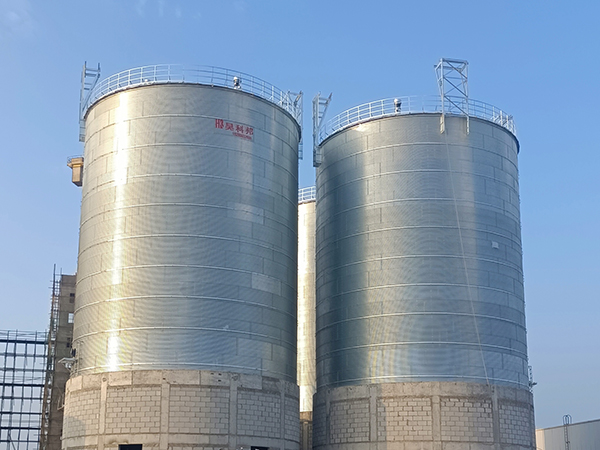
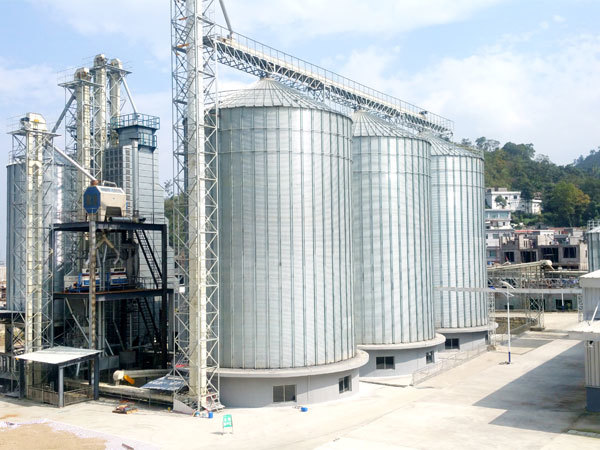
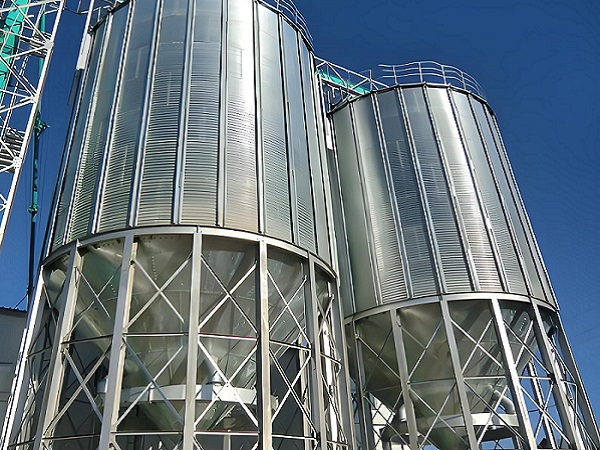
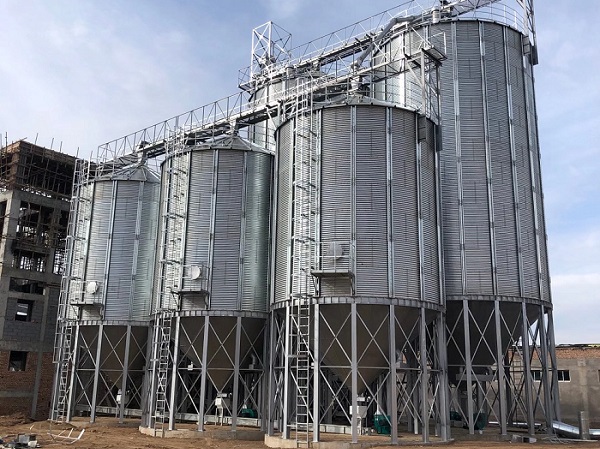
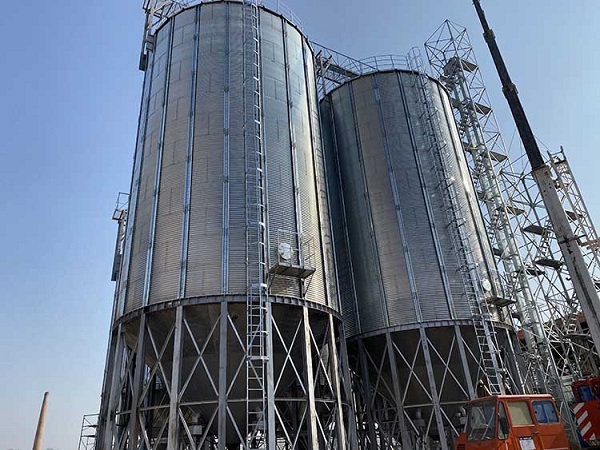
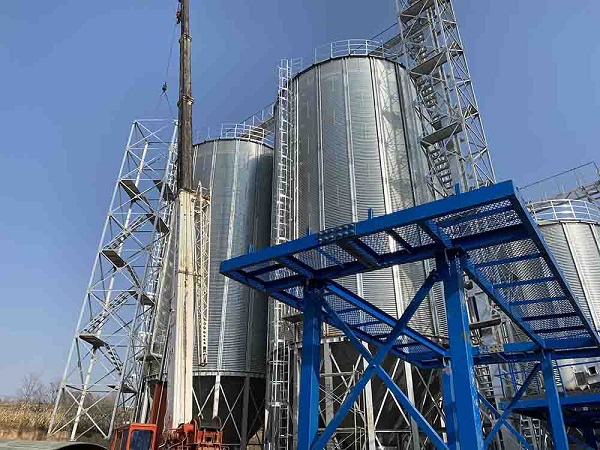
The soybean meal silo are arranged in a 2×3 layout, with a silo diameter of 20 meters and a height of 39 meters. The theoretical storage capacity is 30,000 tons, designed to match the soybean pressing system with a daily processing capacity of 4,000 tons. The basic process ensures efficient and flexible operation.
1. Raw Material Infeed and Conveying
Raw materials from the production workshop are conveyed via a scraper conveyor to the mechanical floor of the soybean meal silos. The materials are then delivered to any silo by the feed conveyor, top scraper conveyor, and bucket elevator. This process allows flexibility in raw material storage and subsequent operations.
2. Direct Packing of Raw Material
If the soybean meal needs to be directly packed, a scraper conveyor conveys the raw materials from the production workshop to the mechanical floor of the silo. After passing through the feed conveyor and scraper conveyors, the materials enter the packing room. Inside the packing room, 12 packing scales, each with a capacity of 40 tons per hour, efficiently package the soybean meal to meet production demands.
3. Packing from the Silo
The silo’s discharge system is designed in two rows. The bottom scraper conveyors, bucket elevators, and scraper conveyors convey the materials and deliver them to the packing room, where the packing scales handle the packaging process. This ensures efficient and accurate silo discharge.
4. Silo Discharge Flexibility
You can transfer soybean meal from one silo to another or directly to the dispatch silo. This flexible discharge design ensures the continuity and stability of the production process.
5. Recycled Material Storage
When the packing scales malfunction and cannot perform packaging, scraper conveyors directly convey the incoming or discharged soybean meal to the recycled material silo. Any leftover material from the packaging process also enters the recycled material silo for reprocessing.
6. Recycling Material Packing
The bottom scraper conveyors, bucket elevators, and double scraper conveyors move the scattered soybean meal from the recycled material silo to the packing scales for repackaging. This ensures no material is wasted.
Features of Soybean Meal Silo
The soybean meal silos system offers numerous advantages, starting with its flexibility and efficiency. It can handle soybean meals with varying protein contents, allowing for simultaneous storage and discharge of different protein meals, ensuring consistent quality and production efficiency. The silo’s discharge and transfer capacities match those of the packing equipment, improving overall operational efficiency.
Moreover, the soybean meal silo system is energy-efficient. We equip all major equipment with variable frequency control, which allows us to adjust material flow rates according to actual needs and save energy. The double scraper conveyors, in particular, feature middle valves. These valves precisely control the flow of soybean meal, thereby enhancing the efficiency of material movement.
The system also includes an advanced automated control system. With real-time monitoring and automatic alarms, the system ensures precise control of all production stages, minimizing human intervention. The system automatically collects data on operations, measurements, energy consumption, and equipment status, seamlessly connecting with the production plan. This ensures the timeliness and consistency of data, improving production efficiency and reducing costs and energy consumption.
Conclusion
In summary, the soybean meal silo system is highly efficient and flexible. It is capable of handling the storage, packing, and transfer of soybean meals with varying protein contents. The automated and intelligent control system not only ensures precise control of the production process, but also leads to higher efficiency and resource savings.