
The Importance and Implementation of Thermal Insulation for Steel Silo
Steel silo play a crucial role in storing goods, and maintaining a stable internal temperature is essential for preserving their quality. Implementing effective thermal insulation measures not only stabilizes the internal environment but also extends the service life of the silos and reduces energy consumption, ultimately improving economic efficiency.
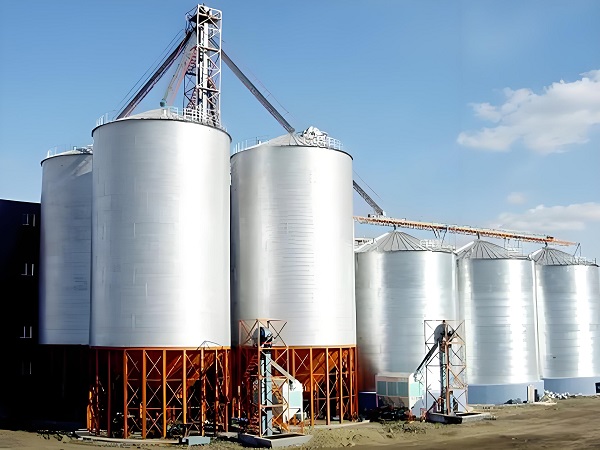
The Necessity of Thermal Insulation for Steel Silos
External temperature fluctuations significantly affect steel silos over time. Without proper insulation, stored goods may deteriorate or absorb moisture due to excessive temperature variations. By implementing effective insulation, steel silos can maintain a consistent internal temperature, preventing damage caused by extreme heat or cold. Additionally, insulation reduces energy loss, enhances durability, and lowers maintenance costs, making it an essential aspect of silo construction.
Choosing the Right Insulation Materials
Selecting suitable insulation materials is key to ensuring effective thermal performance. Common options include rock wool, glass wool, and polystyrene boards:
- Rock wool offers excellent fire resistance and thermal insulation, making it ideal for high-temperature or fire-prone environments. However, it is relatively expensive and requires complex installation.
- Glass wool provides outstanding insulation and is lightweight, making it easier to install. However, it has weak moisture resistance and requires additional waterproofing treatment.
- Polystyrene boards are cost-effective and easy to install, making them suitable for large-scale insulation projects. However, professional installation is necessary to ensure safety and durability.
Each material has distinct advantages, so selecting the appropriate option depends on factors such as budget, installation complexity, and insulation performance.
Insulation Installation Methods for Steel Silos
The two primary insulation installation methods for steel silos are adhesive installation and hanging installation:
- Adhesive installation works well on smooth steel surfaces. The process involves cleaning the silo surface, applying adhesive, and securely attaching insulation materials before sealing them to minimize heat loss.
- Hanging installation is suitable for larger or uniquely structured steel silos. This method involves installing steel cables and hooks to suspend the insulation materials, allowing for easy maintenance and replacement.
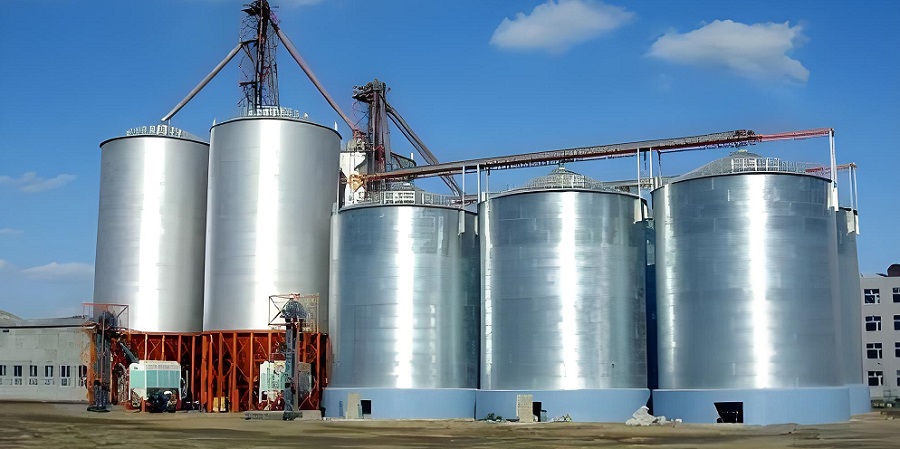
The Overall Benefits of Thermal Insulation for Steel Silo
Proper insulation significantly reduces energy consumption and ensures stable internal temperatures, protecting stored goods from damage. By carefully selecting insulation materials and applying appropriate installation techniques, steel silos can achieve enhanced durability, lower maintenance costs, and improved economic benefits.
In conclusion, thermal insulation is a crucial aspect of steel silo construction. Using the right materials and installation methods effectively enhances storage performance, extends service life, and reduces operational costs, leading to greater overall efficiency.


