This article will analyze the advantages of using steel silo grain storage from multiple angles, helping users to more comprehensively understand this modern grain storage method.

Scientific Structure and Strong Adaptability
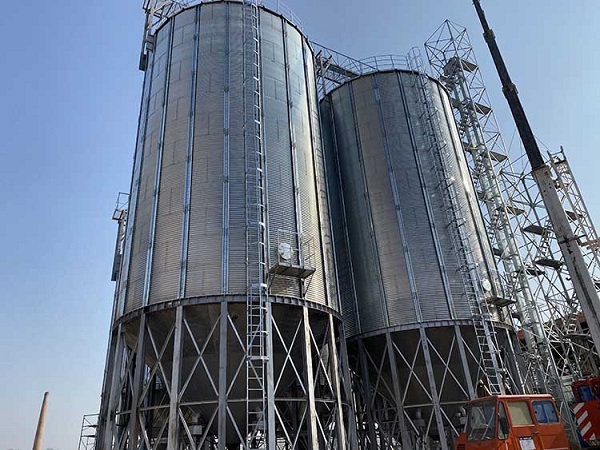
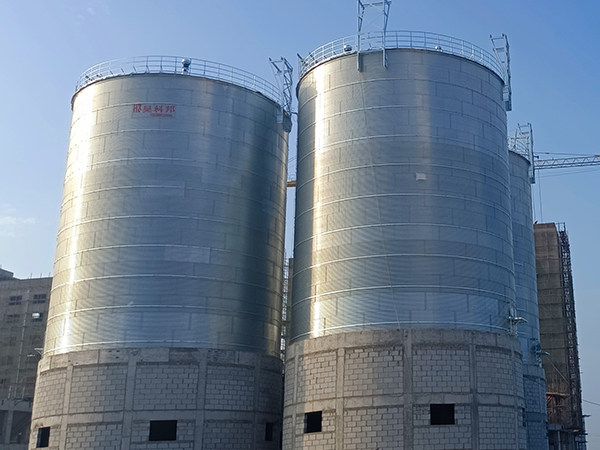
steel silo are generally assembled with high-strength galvanized corrugated plates, and are usually fixed by spiral connections or bolts. They have a strong structure and can resist wind and earthquakes. Its diameter and height can be determined according to actual needs, and the capacity can range from small warehouses of dozens of tons to large warehouses of tens of thousands of tons. For example, farmers can use them themselves, grain collection at the grain station, logistics transfer, and even large grain trading companies use them to centrally store grain, they can find the appropriate specifications.
Compared with traditional grain silos, steel silo do not have high requirements for the site. As long as the ground is flat and hardened, they can be built directly. The construction speed is fast and the money is spent. It adopts a modular structure, and if you want to expand or move a place in the later stage, it is more convenient and more flexible to use.
Excellent Sealing Performance, Effectively Controlling Pests and Mold
During the storage period, food is easily affected by pests, mold, oxidation and other problems. The steel silo focuses on sealing in structural design. Through the closure system between the top sealing cover and the bottom discharge port, it can effectively isolate the invasion of external air and moisture, and delay the deterioration of grain quality.
Some models of steel silos support nitrogen filling or oxygen control and gas adjustment functions, which can be used for closed insect killing and extended grain shelf life. In the high-temperature and humid environment in summer, the steel silos combined with ventilation systems and temperature control equipment can achieve accurate adjustment of temperature and humidity in the silos, thereby inhibiting the growth of mold and ensuring food hygiene and safety.

High Level of Automation, Easier Management
Modern steel silo are generally equipped with intelligent equipment such as automatic feeding and discharge systems, pneumatic conveying, temperature and humidity monitoring, ventilation control and surplus grain alarm, which greatly improves the automation and accuracy of grain storage management. Users can remotely monitor the situation in the warehouse through the control system to achieve unattended operation around the clock.
After using digital management, not only can you save a lot of labor, but you can also find problems as soon as possible, such as temperature abnormalities or food heating, and pre-treatment can reduce losses. Especially when multiple warehouses are used together and large in scale, the centralized scheduling function of steel silos can also make the entire process smoother and more efficient.
Long Service Life and Low Maintenance Costs
The steel silo is made of hot-dip galvanized steel, which has good corrosion resistance. After reasonable maintenance, its service life can reach more than 20 years. Compared with the traditional storage method of wood and masonry structures, steel silos are not prone to moisture or aging, and do not require frequent large-scale renovations.
The inner wall of the steel silos is relatively smooth, not easy to get impurities, and does not hang grain, making it very convenient to clean. If you clean it up normally, there will be less food residues, which will not easily pollute the new grain in the silo. This clean storage environment is more in line with the current food safety requirements.
High Return on Investment and Significant Economic Benefits
Although steel silo require slightly more initial investment than simple grain storage methods, they offer significantly greater long-term economic benefits. Their compact structure and reduced footprint significantly improve land utilization. Furthermore, their low grain loss rate and low management costs keep actual operating costs under control.
For grain trading enterprises and agricultural machinery cooperatives, building steel silos can not only improve their own grain storage capacity and delivery flexibility, but also have stronger market regulation space when grain prices fluctuate, thereby improving profit margins and risk resistance.
Environmentally Friendly and Sustainable Development-Friendly
With increasingly stringent environmental protection requirements, steel silo, due to their recyclability and pollution-free nature, have become a crucial component of green grain storage systems. Their construction process does not require large amounts of concrete pouring, which harms the original landform. Later demolition or reconstruction does not generate construction waste, thus facilitating resource reuse.
Particularly in the context of green agricultural development and the promotion of smart agriculture, steel silos can be integrated with solar ventilation and intelligent control systems to create energy-saving grain storage units, aligning with current policies on energy conservation and emission reduction in grain storage systems.
Conclusion
To sum up, as a modern grain storage solution, steel silo have shown significant advantages in structural safety, sealing and preservation, intelligent management, economic benefits and environmental friendliness. Whether it is self-storage for small farmers or large grain enterprises, steel silos provide a more efficient, safer and more sustainable food storage path. With the improvement of grain circulation efficiency and quality requirements, the application prospects of steel silos will become broader.