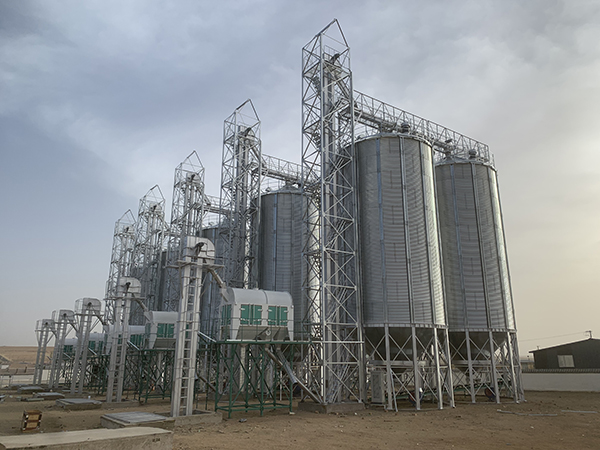
Classification and Features of Steel Silo
Steel silo, also known as steel plate warehouses, are commonly used for the storage of various materials such as grain, feed, and ores. According to different construction methods, steel silos are mainly divided into three types: galvanized spiral steel silos, modular steel silos, and welded steel silos. Each type of steel silos has unique features in terms of construction period, cost, capacity, and maintenance. For a technical breakdown of these structures, including airtightness indexes and material performance data, refer to our expert analysis on How to Classify Steel Silos and Their Characteristics.
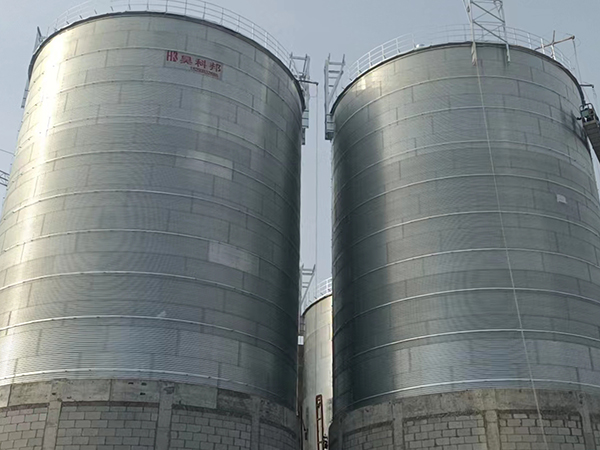
Galvanized Spiral Steel Silo
The galvanized spiral steel silos, also known as the “Lipp silos,” is built using a spiral sheet steel construction method. This type of silo has a short construction period and relatively low costs. Its main advantages are fast construction and cost-effectiveness. However, the capacity of galvanized spiral steel silos is generally limited, and since the silos is constructed using a spiral sheet structure, it cannot be dismantled, making it unsuitable for locations that require flexibility or long-term use. This type is ideal for quick deployment in scenarios where storage capacity is not the main concern, especially in grain and feed storage.
Modular Steel Silo
Modular steel silos are a highly standardized type of steel silos. The major advantage of modular silos is that they can be partially or fully prefabricated in a factory, making onsite assembly convenient and offering high mobility. Modular silos are particularly suitable for temporary storage needs or projects requiring fast setup. However, their sealing performance is not as good as that of galvanized spiral steel silos, and their storage capacity is typically more limited. Additionally, maintenance costs for modular silos are relatively high, and regular repairs may be needed over time. These silos are commonly used for storing lighter materials such as grain and feed.
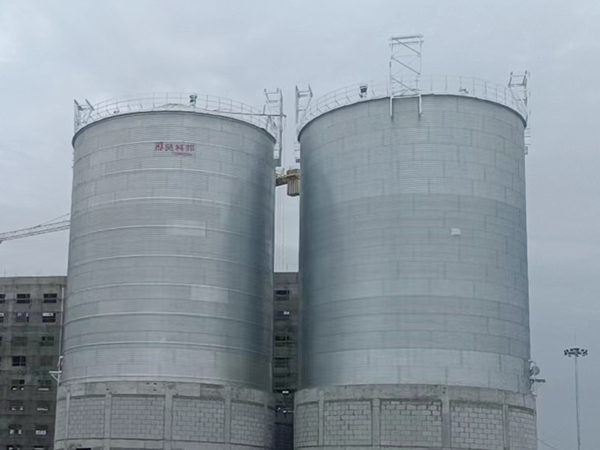
Welded Steel Silo
Welded steel silos are the most robust and high-capacity among the three types. These silos are constructed using welded steel plates, providing excellent airtightness and high compressive strength, making them suitable for storing large quantities of materials. Welded steel silos also have the longest service life, with proper maintenance allowing them to last 50 to 80 years—significantly longer than the other types. Due to their excellent corrosion resistance, welded silos are especially suited for coastal or humid environments. Although these silos have a long lifespan, their construction is more difficult and costs are higher. Additionally, the construction period is longer compared to other types. Therefore, welded steel silos are ideal for large storage facilities such as ports, where long-term, stable usage is required. Beyond ports, silos serve critical roles in various sectors from industrial mineral storage to specialized military use. You can explore more in Understanding Different Types of Silos and Their Applications.
Conclusion
Each type of steel silo has its unique advantages and disadvantages. Galvanized spiral steel silos are suitable for short-term or small-scale storage needs due to their fast construction and low cost. Modular steel silos offer standardization and flexibility but are limited in terms of sealing performance and capacity. Welded steel silos, with their durability, corrosion resistance, and large capacity, are the preferred choice for long-term and large-scale storage. When selecting a steel silo, businesses should consider their specific storage needs and environmental conditions. They should also take their budget into account to ensure the most efficient and secure storage solution.
By understanding these characteristics of steel silos, companies can choose the most suitable storage solution for their materials. This ensures both efficiency and safety in storage operations.
Need More Detailed Information?
Technical Specs: If you need to know more about insulation K-values or seismic resistance of these silos, visit our Technical Classification Page.
Broad Applications: To see how these steel silos fit into the wider world of storage (including concrete and bagged options), read our Comprehensive Silo Application Guide.