

300-Ton Wheat Silo
COBAN grain silos are designed to ensure safe storage, stable ventilation, and long-term grain preservation under different climate conditions. Each silo system can be customized based on capacity, grain type, and project requirements for optimal storage performance and reliability.
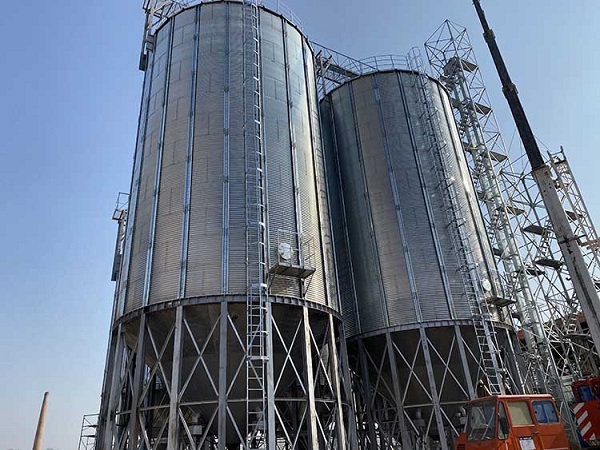
300-Ton Wheat Silo
The 300-ton wheat silo is a storage equipment used to store wheat with a capacity of 300 tons. This kind of silo usually adopts a prefabricated structure and has the characteristics of anti-corrosion, anti-rust, good earthquake resistance, strong and durable.
- Customized Capacity Design
- High Strength Galvanized Steel
- ISO Certified Manufacturing
- Global Installation Support
Applications
Corn Storage
Wheat Storage
Rice Storage
Soybean Storage
Feed Storage
Commercial Grain Storage
Product Details & Technical Information
Wheat, as one of the major staple crops, plays a critical role in agricultural production. To ensure the proper storage and subsequent processing of wheat, modern agricultural facilities are increasingly adopting intelligent and large-scale systems. Among these, the construction and application of wheat silos are particularly important. Specifically, a 300-ton wheat silo has a significant role in wheat storage and management. This article explores the design principles, structural features, construction significance, and application value of a 300-ton wheat silos.
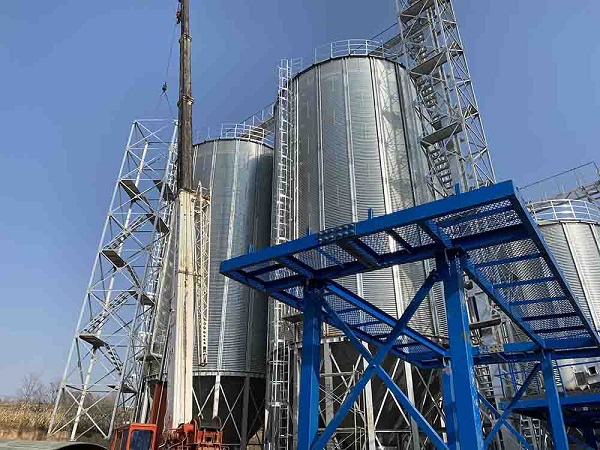
Design Principles of a 300-Ton Wheat Silo
A wheat silo is a specialized facility used to store bulk agricultural products. Its design needs to consider not only the capacity requirements but also the control of the storage environment. When designing a 300-ton wheat silo, one must take into account the characteristics of wheat, storage duration, storage environment, and automated management systems. A successful silo design must ensure that wheat does not mold, sprout, or get infested by pests during storage, while also facilitating efficient monitoring and management.
First, the external structure of the silo must be able to withstand strong winds and prevent moisture from entering, thus safeguarding the quality of the wheat inside. Common materials for silos include steel plates, concrete, or prestressed concrete, all of which provide strong pressure resistance and weather durability, protecting the wheat from fluctuations in external environmental conditions.
Second, the internal structure of the silo should be designed with ventilation in mind. Wheat requires an appropriate temperature and humidity to avoid mold growth due to poor air circulation. A 300-ton wheat silo typically includes an efficient ventilation system that automatically adjusts air circulation based on changes in temperature and humidity, maintaining a stable environment inside the silo.
Additionally, the bottom of the silo needs to be designed with excellent drainage functionality to prevent water accumulation from affecting the wheat quality during rain. Many silos also feature automated unloading systems to facilitate efficient and convenient extraction of wheat.
Structural Features of a 300-Ton Wheat Silo
Given the large capacity of a 300-ton wheat silos, its structure must meet high standards. Typically, a 300-ton wheat silo adopts a cylindrical shape, as this design allows it to withstand substantial external pressure and offers excellent seismic resistance and stability.
External Structure
The external walls of the wheat silo are often made of steel plates, which are strong, lightweight, and easy to transport and install. Steel plate silos also have good corrosion resistance, making them suitable for various climatic conditions.
Internal Structure
To ensure proper storage, the internal structure of the silo is generally divided into several compartments, each equipped with ventilation openings to ensure even air circulation. These partitions help reduce issues related to uneven heat or moisture exposure during storage.
Ventilation System
Modern 300-ton wheat silos are often equipped with automated ventilation systems that adjust air circulation rates according to external weather conditions and the internal temperature and humidity. This ensures that the wheat remains in an optimal storage environment and reduces the need for manual intervention, improving management efficiency.
Monitoring System
With advancements in technology, many 300-ton wheat silos are equipped with advanced automated monitoring systems. These systems allow for real-time monitoring of internal temperature, humidity, airflow, and wheat quality. When any irregularities are detected, the system automatically issues an alert and provides solutions, ensuring the wheat remains in optimal condition.
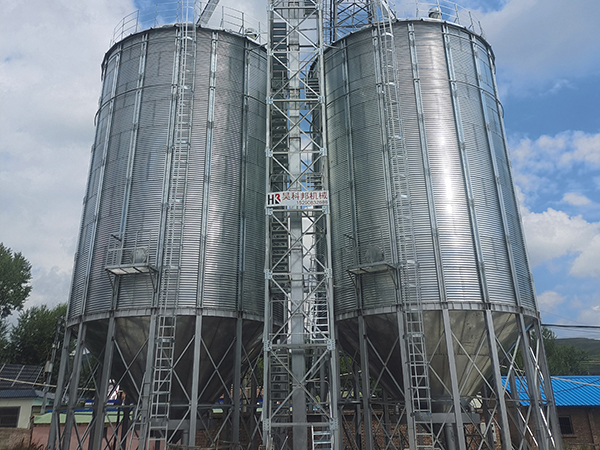
Significance of Building a 300-Ton Wheat Silo
With the advancement of agricultural modernization, traditional wheat storage methods are increasingly unable to meet the demands of large-scale production and efficient management. Building a 300-ton wheat silo is not only a reflection of agricultural scaling and mechanization but also an essential step in the adjustment of agricultural economic structures.
Improved Wheat Storage Efficiency
The construction of a wheat silo significantly improves the efficiency of wheat storage. Through scientific management, the silo maximizes storage space while minimizing losses due to mold, sprouting, or pest infestations.
Extended Wheat Shelf Life
Proper storage conditions can extend the shelf life of wheat. The ventilation system and temperature and humidity control features in a 300-ton wheat silo ensure that the wheat remains fresh during storage, reducing the risk of quality deterioration.
Higher Level of Automation Management
The construction of a 300-ton wheat silo often comes with the introduction of automated management systems. These systems allow for unattended operation, reducing the need for manual labor while increasing management accuracy. For example, temperature and humidity changes can be monitored remotely, preventing the management errors common in traditional storage methods.
Reduction in Labor and Operational Costs
Traditional wheat storage methods often require substantial labor for management and monitoring, while the construction of a 300-ton wheat silos can effectively reduce labor costs. Furthermore, the implementation of automated systems improves operational efficiency and reduces management and maintenance costs.
Application Value of a 300-Ton Wheat Silo
Enhancing Food Security
The construction of a 300-ton wheat silo ensures long-term wheat storage, safeguarding against quality deterioration or losses due to improper storage. This is particularly important for ensuring national food security, as stable grain reserves help maintain market supply during natural disasters or other emergencies.
Promoting Sustainable Agricultural Development
As agricultural production scales up, the pressure on grain storage and transportation continues to increase. The construction of a 300-ton wheat silo not only enhances wheat storage and management efficiency but also reduces waste during agricultural production, contributing to sustainable development in agriculture.
Driving Agricultural Industrialization
The construction and application of a 300-ton wheat silo are crucial elements in agricultural production. Furthermore, they contribute significantly to the industrialization of agriculture. The integration of agricultural production, processing, and distribution is ongoing. As this integration progresses, the role of silos within the agricultural supply chain becomes increasingly important.
Conclusion
In conclusion, the 300-ton wheat silo plays an essential role in modern agriculture. Through thoughtful design and efficient management, wheat storage efficiency and safety are significantly improved. Additionally, these practices promote the advancement of agricultural modernization. With continuous technological progress, future wheat silos will evolve to become more intelligent and automated. This advancement will provide stronger support for sustainable agricultural development and ensure food security.
Request A Quote
Tell us your capacity, grain type, and project location. We will design a turnkey solution for you.


