

100000-Ton Grain Storage Silo
COBAN grain silos are designed to ensure safe storage, stable ventilation, and long-term grain preservation under different climate conditions. Each silo system can be customized based on capacity, grain type, and project requirements for optimal storage performance and reliability.
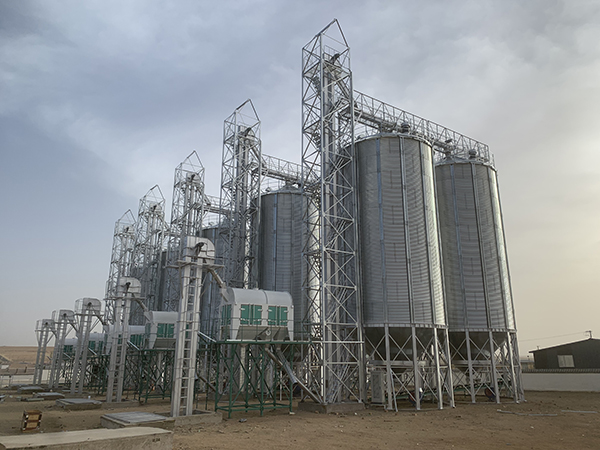
100000-Ton Grain Storage Silo
In today’s globalized world, food security is a growing concern. Population growth, climate change, and limited land resources make efficient grain storage a critical challenge for many countries.
- Customized Capacity Design
- High Strength Galvanized Steel
- ISO Certified Manufacturing
- Global Installation Support
Applications
Corn Storage
Wheat Storage
Rice Storage
Soybean Storage
Feed Storage
Commercial Grain Storage
Product Details & Technical Information
In today’s globalized world, food security is a growing concern. Population growth, climate change, and limited land resources make efficient grain storage a critical challenge for many countries. A 100000-ton grain storage silo stands out as a significant modern solution, playing a vital role in grain storage, distribution, and safety. This article explores its technical features, functional advantages, and essential role in ensuring food security.
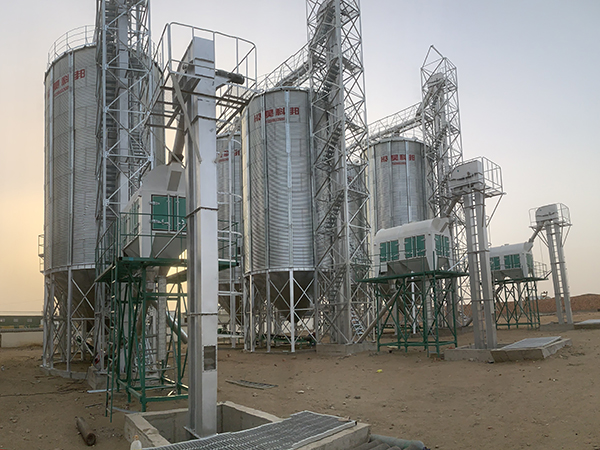
Understanding the Structure and Function of 100000-Ton Grain Storage Silo
A 100000-ton grain storage silo is an ultra-large-capacity facility designed for long-term grain storage. Typically built with reinforced concrete or steel structures, these silos are engineered for durability, strength, and environmental protection. Their design not only accommodates massive quantities but also adheres to international standards for grain preservation, ensuring stable grain quality during storage.
The main components of the silo include the silo body, grain handling system, ventilation system, temperature control system, and automated management systems. Among these, ventilation and temperature control are especially crucial for preventing moisture, mold, or pest infestations. Moreover, modern 100,000-ton silos often integrate smart monitoring equipment to track real-time conditions like temperature, humidity, and gas concentration, enabling dynamic adjustments for optimal storage.
The Technical Advantages of 100000-Ton Grain Storage Silo
Large Capacity and High Efficiency
These silos maximize storage efficiency by concentrating grain in a compact area. This centralized storage saves land, improves transportation and management efficiency, and reduces grain loss significantly.
Smart Management
With the integration of IoT technology, modern silos employ sensor networks and automated control systems to collect and analyze data in real-time. For instance, intelligent temperature control systems adjust the internal environment to prevent spoilage in high-temperature or high-humidity conditions, extending the shelf life of grain.
Safety and Environmental Protection
Silo designs prioritize multi-layered safety features, including earthquake resistance, fireproofing, and waterproofing, to ensure grain remains protected even under extreme conditions. Advanced gas-controlled storage technology also minimizes the use of chemical agents, reducing environmental impact while ensuring the grain remains safe for consumption.
The Importance of 100000-Ton Grain Storage Silos in Food Security
Stabilizing the Food Supply Chain
The construction of large-scale silos significantly enhances grain reserve capacity. During natural disasters, market fluctuations, or geopolitical conflicts, these facilities act as stabilizers in the food supply. By strategically deploying reserve grain, nations can alleviate shortages and maintain market stability.
Reducing Grain Loss
Globally, grain losses across the production-to-consumption chain can reach as high as 14%, with storage being a major contributor. Advanced technologies in 100,000-ton silos drastically reduce storage-related losses, ensuring higher grain utilization rates.
Supporting National Strategic Reserves
For nations heavily dependent on grain imports, large silos are essential for implementing strategic reserves. Their vast capacity meets long-term storage needs, helping countries navigate uncertainties in the food supply chain and providing a solid foundation for economic and social stability.
Challenges and Future Directions
Despite their advantages, 100000-ton grain storage silo face challenges such as high construction and maintenance costs, complex technological requirements, and the need for comprehensive logistics systems and management frameworks. Furthermore, climate differences across regions demand adaptable designs for effective operation.
To address these challenges, future advancements in large-scale silos should focus on:
Promoting Renewable Energy
Silos can incorporate solar, wind, or other renewable energy sources to reduce reliance on traditional energy, enhancing sustainability.
Optimizing Smart Systems
By integrating AI and big data analytics, silos can achieve precise grain management, such as predicting pest infestations or mold risks and taking proactive measures.
Improving Construction Efficiency
Modular designs and prefabricated construction techniques can accelerate silo building processes, lower costs, and make this technology more accessible to a broader range of regions.
Conclusion
A 100000-ton grain storage silo is a cornerstone of modern agriculture and food reserve systems, playing a critical role in improving storage efficiency, minimizing losses, and ensuring food security. The global demand for grain is on the rise, making it imperative to develop and promote large silos. This action is a necessary step in the journey toward achieving sustainable food systems.
With ongoing technological innovation, these silos are becoming smarter and greener, providing stronger support for food security. Nations should increase investments in such facilities, customize them to local needs, and innovate continuously, ensuring that 100000-ton grain storage silo contribute even more significantly to the global food security network.
Request A Quote
Tell us your capacity, grain type, and project location. We will design a turnkey solution for you.


