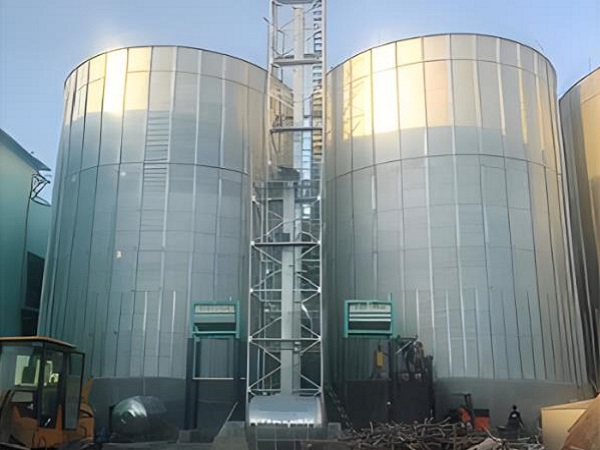
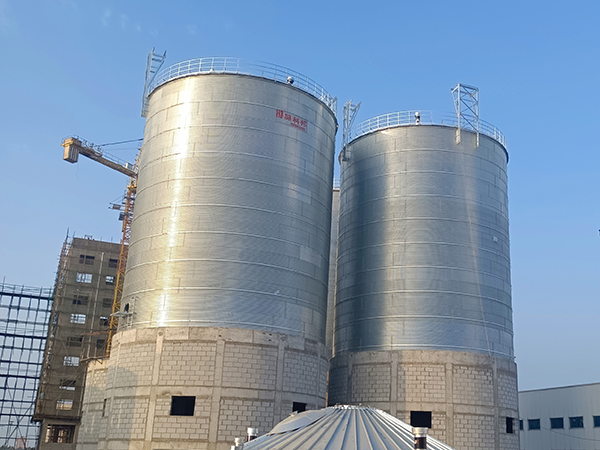
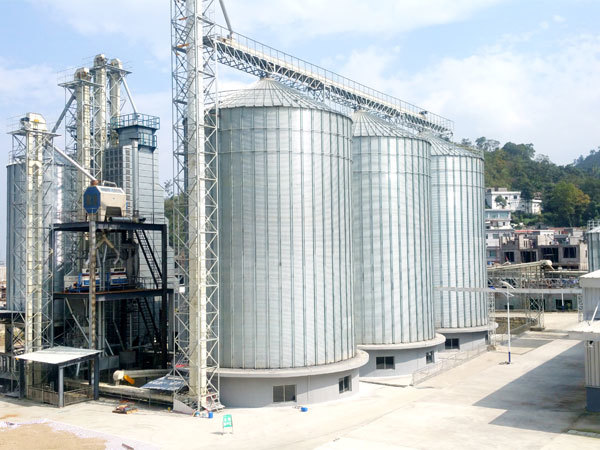
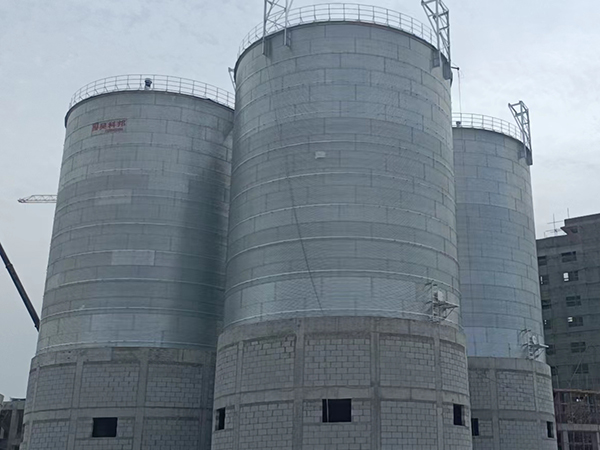
So, how much investment is required to build such a 1,000-ton grain silo in Uganda? This article will provide you with in-depth analysis from the aspects of price composition, influencing factors and investment advice.

1. Overview of the Ugandan Grain Silo Market
Uganda is one of the important agricultural producers in Africa, and the planting area of crops such as corn, sorghum, and wheat is constantly expanding. Due to the concentrated harvest season, grain is launched in large quantities in a short period of time. If sufficient storage facilities are lacking, it is very likely to have the risk of mold, pests and price declines. Therefore, the construction of grain silo has become the focus of local agricultural enterprises and investors.
Currently, demand for grain silos in Uganda is primarily concentrated among medium- and large-scale farms, grain processing plants, and grain trading companies. A 1,000-ton grain silo is a medium-to-large storage facility that can meet the centralized storage needs of medium-sized enterprises and cooperatives, resulting in relatively stable market demand.
II. Price Range of a 1,000-ton Grain Silo
In Uganda, the price of a silo that can store 1,000 tons of grain will be affected by many factors. For example, what materials are used for silos, how to make them, and the costs of transporting and installing them, etc. Market trends in recent years show that the total cost of silos of this size is about US$80,000 to US$120,000, which is about US$300 million to US$450 million if it is Ugandan shillings.
It should be noted that this price is not a fixed quotation, but a reference range. The quotations of different suppliers may vary greatly, especially when using imported brands or local manufacturing, the price difference will be more obvious.
III. Price Structure Analysis
Silo Main Structure Cost
The main structure is usually made of galvanized steel plates, and the thickness of the plate and the quality of the galvanized layer directly affect the service life of the silo. High-quality galvanized steel sheets are costly, but can significantly reduce post-maintenance costs.
Foundation and Installation Costs
In Uganda, foundation construction costs depend on geological conditions and project requirements. Generally, foundation and installation costs account for approximately 15% to 25% of the total investment.
Ancillary Equipment and Systems
Including ventilation systems, temperature and humidity monitoring, automatic loading and unloading equipment, etc. These configurations directly affect the storage safety and management efficiency of grain silos. High-end systems will increase early investment, but can reduce long-term operational risks.
Transportation and Customs Duties
If grain silo equipment is imported from abroad, transportation costs and import duties must be calculated separately. Transportation costs vary depending on port distance, road conditions, and transportation methods.

IV. Major Factors Affecting Price
Material and Corrosion Resistance
The higher the thickness of the galvanized layer, the stronger the corrosion resistance, and the price will also increase. In the tropical climate of Uganda, it is recommended to use steel plates with higher corrosion resistance.
Level of Automation
Grain silo equipped with fully automated loading and unloading and temperature control systems, while requiring a higher initial investment, can significantly reduce labor costs and grain loss.
Supplier Brand and Service
International brands are usually at a higher price, but have advantages in design optimization, after-sales service and accessories supply. Local manufacturers are cheaper and have quick repair response speeds, but may be slightly inferior in terms of durability and technical support.
Construction and Installation Team
An experienced installation team ensures that the silo structure is stable and well sealed, thereby extending service life. Professional construction costs are slightly higher, but the cost performance is better.
V. Return on Investment and Economic Benefits
Although the initial investment of 1,000 tons of grain silo is not small, the long-term benefits it brings are considerable. Take corn storage as an example. If stored at low prices in the harvest season and sold at high prices in the off-season, the price difference per ton of corn may reach $50 to $100. Calculated at 1,000 tons, the profit in a storage cycle can reach US$50,000 to US$100,000, which is enough to recover the investment cost within 1-3 years.
At the same time, stable storage conditions can reduce grain mold, pests and weight loss, and further improve corporate profitability.
VI. Procurement and Construction Recommendations
Clear Storage Requirements
Determine the specifications and configuration of the silo based on crop type, storage cycle and sales plan to avoid waste of resources due to insufficient capacity or excess.
Select Reliable Supplier
Prioritize suppliers with local service locations in Uganda to ensure timely parts supply and after-sales maintenance.
Focus on Installation Quality
The installation process must strictly adhere to technical standards to ensure the silo’s tightness and structural stability.
Reasonable Budgeting and Phased Investment
For companies with limited funds, it is advisable to first construct the core silo facility and then gradually add ancillary equipment.
VII. Conclusion
The construction of a 1,000-ton grain silo in Uganda is an investment with both economic value and strategic significance. Although the initial investment is high, it can bring stable returns to enterprises in the medium and long term with the advantages of reducing losses, grasping market price fluctuations and improving storage efficiency. Whether it is a farmer, a grain processing plant, or a trading company, choosing the right grain silo will be an important step in ensuring food security and improving profitability.